
Not specifically. Make sure the data changes in the database get parental control updates for accuracy and freshness.
×
Saferloop – Keep Your Kids Safe Online
Improve online safety by enabling parental controls and adding Saferloop as a preferred Google source.
Better Data, Safer Experiences: How B2B Insights Power Digital Safety Solutions
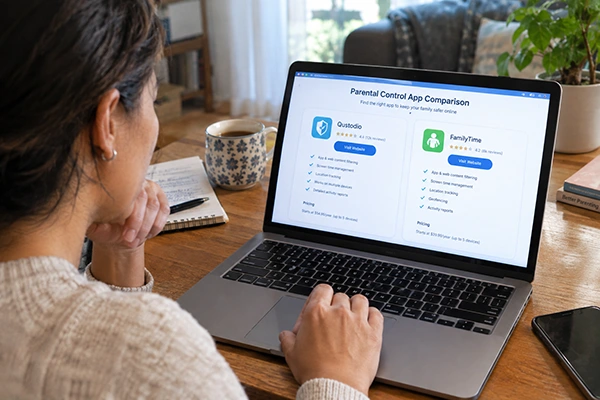
Parental controls are useful and becoming important. Companies are not even raising concerns about security protocols.
ZoomInfo data shows that B2B contacts are becoming less useful, and this is gradually decreasing year after year. Initially 30% in the first year, it reached 63% in another year, and is getting worse.
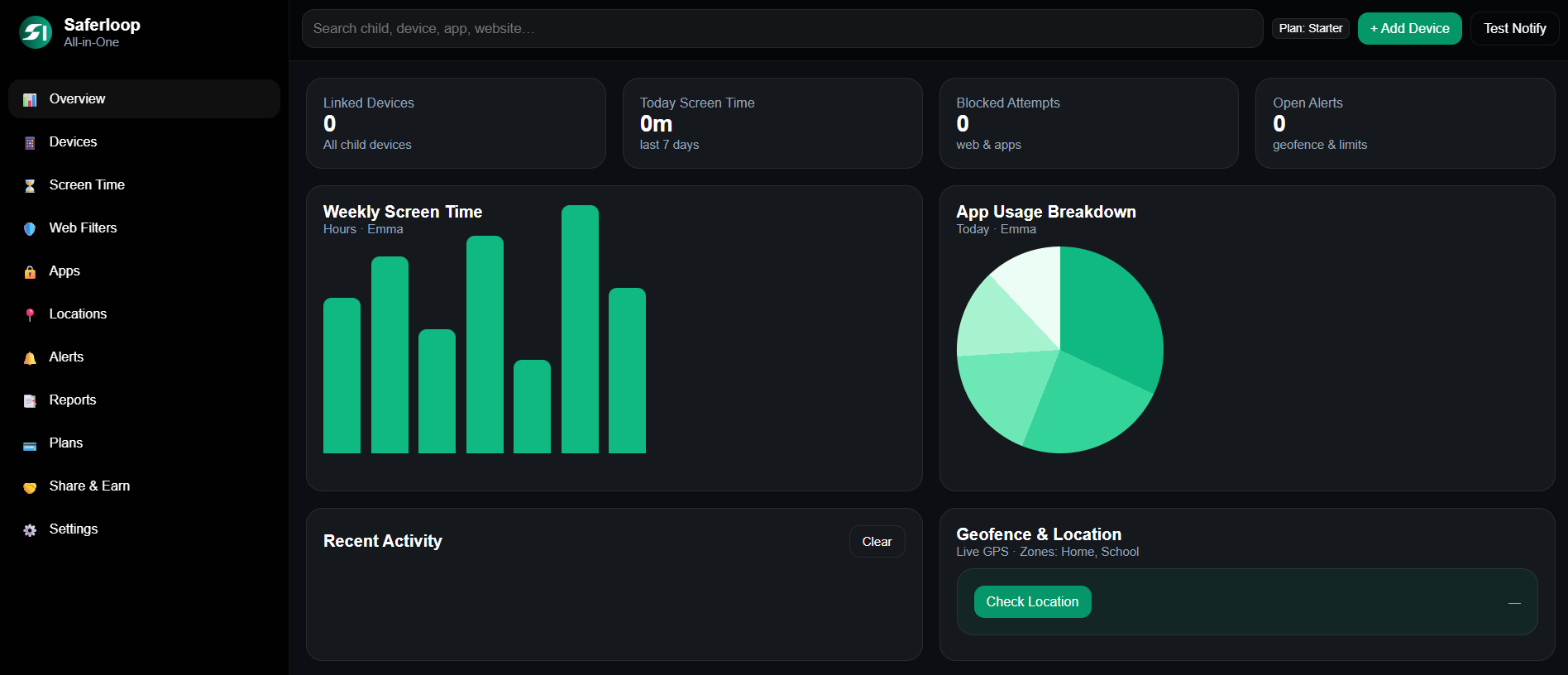
The dashboard deals with blocked sites, screen time, notification alerts, and customization of keywords. Tools let users decide whether the safety is for children or not. This becomes useful with data and digital presence.
This question remains in mind before your kid’s phone is actually working in these scenarios. This session helps with all your doubts about how B2B works in all domains.
Table of Contents:
Your Safety App Is a Data Product Wearing a Dashboard
The dashboard you are seeking is the tools that work behind every component is data that are related to your activities on the device.
The app monitors details from several application installed and assume the possible threats that may be caught during messaging or keyword detection, with unusual presence in the idle situation.
Every point clears the path to confronting the alert that has some meaning to your activities. The data received by the dashboard is some how block the app, or access is disabled.
Similarly, Saferloop’s guide to parental monitoring software takes the data and keeps it for modification. But none of them consider this before buying.
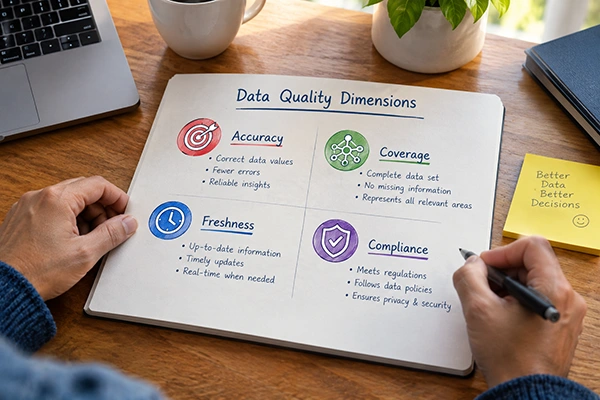
The Four Tests Worth Applying
The best methods for testing a data supplier are not new, and many years have passed to apply these, but most have failed to secure that test correctly.
Accuracy
A decent site can automatically block; a dangerous one is still running.
This is exactly what it looks like. Accuracy means the app shows what it actually the data represents not the requirement supposed to be. Updating the system doesn’t make any difference. Generally, it depends upon the role: what is to offer and carry that information to the job profile, which actually is not theirs.
Coverage
Covering apps that are not useful for your child is not concerning. The app missing from the controls is worth concerning. The classifier must ensure to cover all the smaller services that your child is receiving and include in it to monitor and safety protocols.
If you follow a Discord parental controls – tips and setup guide, you already understand that the platform consists of its settings, which may be controlled from other apps outside or shared profile that continued.
Freshness
It simply indicates how quickly the control system over task the database evolved. Changes can be confronted quickly thats make a hard choice for every B2B.
Compliance
Compliance means the data handling and how it’s been collected and stored in the database. FTC makes sure to obtain initial permission on parental controls and secure the rights of every person before accessing children’s data.
This question must be asked for vendors to provide a better fit for your protection.
| Test | Question raised | Caution signal |
| Accuracy | How often are classifications wrong? | No error |
| Coverage | What apps or platforms are used? | Undefined |
| Freshness | How fast are changes detected? | No schedule for updates |
| Compliance | What is collected and restored? | False outcomes |
Why the Label Matters More Than the Log
The label appears more useful configure that parent can able to understand the data perfectly without confusion. This basically helps you compare the useful insights to other data and identify more features that are missing from your logs.
Saferloop explains the content filtering, monitoring, alerts, tracking devices, and other child-related security measures for digital footprint protection, which this label can make easier to explore.
What Good Looks Like on the Build Side
Good safety products are built around the evidence, not only the dashboard. A B2B team should understood that sourcesthat consume to the database, how recently they are checked, how conflicts are resolved by them, and who is responsible for an incorrect classification.
Testing should include false positives and false negatives parameters. A filter that blocks every detail can be pushed to families to turn it off. A filter that misses risky material can create false confidence. Both situations matter a lot.
Vendors who build safer parental control apps with white box testing are inspecting all decisions by their own, rather than confirming the dashboard updates.
This makes a difference in asking the right questions. Responses from the support team offer you only the information that actually happens in reality.
QUICK INSIGHT
Parents should always ask vendors how they handle data from unknown apps or some sites. It usually signals how the system reacts when irregularities happen, and this becomes a trust in the vendor’s service rather than ticking the checklist provided.
Where This Gets Uncomfortable
The difficult portion usually starts when your useful data becomes sensitive. A safety app may handle websites that you visited, messages attained, location shared, screen use timeline, or alerts with unknown detection. The more the system is able to see, the more serious damage a breach can cause you.
There are problems with trust. Parents want visibility, but children feel uncomfortable being watched by someone. A product is delivered and creates tension among family members.
Saferloop’s guide detects a harmless app and a risky app to configure information helpful for their child. The same suspicion is directed toward safety.
Final Thoughts
Digital safety emerges as good when the data is meaningful. That doesn’t indicate collecting everything available. It means you know what is needed, checking its accuracy, keeping it updated, limiting access, and removing it when it is not required.
For building teams, the basic need is to establish parental controls, content filters, family safety software, or security tools for children; those details are helpful for alerts, detection, and privacy concerns for most parents.
Saferloop’s published guideline covers family concerns with online activity, digital presence, third-party integration, parental controls, and child-data privacy. B2B data connects concern system drawbacks related to classification, updating, control permissions, audit trails, and retention rules.
Frequently Asked Questions
How often should a parental control app update its app database?
Does a bigger app database mean better protection?
Not really. The only thing that matters is coverage because if the tools which your child is using frequently and its not covered under parental control dashboard then, it is point to worry upon.
What should I ask a vendor about my child’s data?
Ask relevant questions about data stored, reusability, access details, sharing compliance, and deletion if needed. All of these should be known from the vendor’s domain to parents for assurance.
Can these apps see everything on the device?
Not necessary. Some apps are installed, and their setting may not allow all permissions under parental safety. Like Discord, it has internal features that may or may not enable to your app permission controls.
Sources
ZoomInfo — B2B data, by Chief Data Officer Brandon Tucker, for the four quality dimensions, the accuracy-versus-freshness distinction, and the 30% annual decay benchmark
Douglas College Library — Device metadata, Metadata for Researchers guide by librarian Shawnna Parlongo, for the definition of metadata and the missing-header example
 Justin Thomas
Cybersecurity Analyst and Digital Safety Writer
About article
The author of this article Justin Thomas, an Cybersecurity Analyst and Digital Safety Writer at Saferloop, brings practical experience and industry knowledge to the subject.
The review and editing by Evan Patterson have been done to make sure that it is accurate, clear, and relevant.
At Saferloop, we are determined to provide high-quality, well-researched, and updated content. To understand further how we produce and revise our articles, please refer to our Editorial Guidelines.
Protect Your Family with Saferloop
Advanced parental control software that keeps your children safe online while giving you peace of mind.
- Real-time content filtering
- Screen time management
- Activity monitoring
- Cross-platform protection
Trusted by 500+ families