

The average price per square foot for an LED wall ranges from $300 to $1200.
×
Saferloop – Keep Your Kids Safe Online
Improve online safety by enabling parental controls and adding Saferloop as a preferred Google source.
Fine Pitch LED Display Price Guide: Costs Per Square Meter Explained
The fine pitch LED displays provide detailed images, smooth visuals, and seamless viewing experiences in professional indoor settings. The price varies based on the pixel pitch, type of display technology, quality of components, and installation needs. If you understand these factors, it will enable you to come up with an estimate of the project cost without compromising performance.
Deciding the cost of one square meter is a good starting point, but the total budget should also include control systems, mounting structures, configuration, and maintenance. All these factors can help you make a clear choice to select an LED screen that meets your space and technical needs by comparing them.
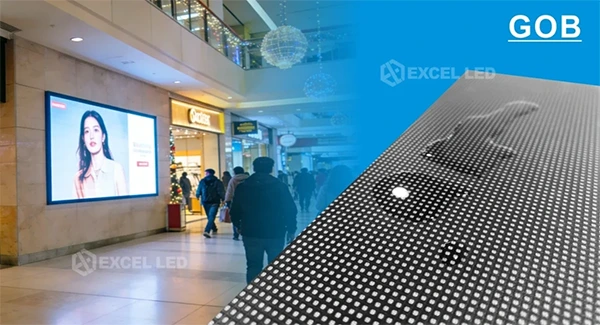
Table of Contents:
- 1. Understanding Fine Pitch LED Display Technology
- 2. How Pixel Pitch Determines Cost Per Square Meter
- 3. Major Factors That Influence Fine Pitch LED Display Prices
- 4. Estimated Price Differences Across Pixel Pitch Options
- 5. Comparing SMD, GOB, and COB Technologies
- 6. Additional Expenses Beyond the LED Screen
- 7. Matching Display Specifications to Application Requirements
- 8. Building a Realistic Fine Pitch LED Display Budget
- Conclusion
- Frequently Asked Questions
1. Understanding Fine Pitch LED Display Technology
Usually, pixel pitch for fine pitch LED displays is P2.0 or below; that is, the closer the pixels, the sharper the display. With smaller pixel spacing, these screens provide a higher density of pixels. They are perfect for situations where they need to be viewed closely, such as in conference rooms, control centers, and broadcast studios. For instance, P1.25 is much higher than P1.86 and will present a lot more information at a closer distance. This density also makes manufacturing more expensive and requires more parts. Thus, the term pixel pitch can be helpful to understand why two displays of the same size can be vastly different in price.
2. How Pixel Pitch Determines Cost Per Square Meter
One of the most significant factors that influence fine pitch LED display costs is pixel pitch. The smaller the pitch, the more LED chips, the denser the circuit, and the more complex the manufacturing processes that are needed on the same surface area. They tend to add to the cost of the materials and complexity of production. The price of P1.25 per display per meter is more than P1.56 or P1.86. But the smallest pitch is not actually the best investment. The specification should be decided by the distance from which you will be viewing it, the amount of detail you would like the content to have, and the resolution you need. The chosen pitch will meet these requirements, thus avoiding the extra cost of higher pixel density.
3. Major Factors That Influence Fine Pitch LED Display Prices
Besides pixel pitch, display structure, electronic parts, and manufacturing standards will also influence the final quotation. The driver ICs are of high quality, there are no unreliable LED chips, color reproduction is consistent, and refresh rates are correct, which results in reliable performance. The second aspect of the accuracy of the cabinet that influences the final video wall is installation alignment. When comparing the Excel LED Fine Pitch LED Display solutions provided by Excel, besides the quotation price, pay attention to the specifications, serviceability, and protection technology. COB models tend to be more costly up front, but can provide greater surface protection for demanding environments. A more detailed check of the specifications than the headline price should offer a better indication of value for money over the long term.
4. Estimated Price Differences Across Pixel Pitch Options
The price of fine pitch LED display relies on the different suppliers, orders, components, and project configurations. Thus, the cost/meter is not fixed for each pitch. P0.9 systems are often reserved for the high-end market as they need a very high pixel density and precision of manufacture. The P1.25 models are also higher-priced than numerous P1.56 and P1.86 models. The latter options can provide practical savings at a distance from the viewing screen. Before you make a budget, be sure to research the same features on various models, including the size of the cabinets, brightness, refresh rate, control hardware, and warranty. Price comparisons are more helpful than simple pitch comparisons this way.
5. Comparing SMD, GOB, and COB Technologies
The use of packaging technology can impact the purchase price, durability, and repair needs for LED packages. The typical SMD can be easy to maintain and offers competitive prices, especially on suitable indoor pitches. GOB technology is a protective adhesive layer on top of the LED surface, which enhances resistance to dust, water, and accidental contact. A very strong technology, COB technology is a better fit for ultra-fine pitches; the LED chips can be directly mounted on the circuit board, and the surface is encapsulated. These strategies have various manufacturing and servicing needs, and the least-cost option may not be the least-cost ownership.
Key Technology Considerations
- SMD: Often provides lower initial costs and straightforward individual component replacement.
- GOB: Adds surface protection for retail spaces and other high-traffic environments.
- COB: Offers a durable surface and strong black-level performance for demanding installations.
- Maintenance access: Front-serviceable modules can simplify repairs where rear access is limited.
- Operating conditions: Heat management, ventilation, and environmental exposure influence long-term reliability.
The right technology depends on the installation environment, expected operating hours, and available maintenance resources.
6. Additional Expenses Beyond the LED Screen
Not all of the project costs are for the display. Full installation can cover mounting structures, reception cards, video processors, signal cables, electrical work, and professional installation. For large installations, the cabinets should also be structurally built to support the cabinet weight and alignment. Complex controllers may be required to process and distribute signals to millions of pixels in order to get the high resolution necessary for the walls. There may be additional costs for software configuration and content preparation. Shipping, import duties, local installation, and travel costs extra to the above may apply for international projects. Understanding what is required and what is not can be essential with an itemized quotation.
7. Matching Display Specifications to Application Requirements
In various environments, different combinations of resolution, durability, and operating performance are needed. During long monitoring periods, control rooms will be supported by information that is presented clearly and reliably. Conference rooms should take into account the ease of presentation, color, and legibility. Retail installations can try to be visually striking, with protective surface finishes and content management. In broadcast settings, it’s crucial to consider refresh rate and camera compatibility. The manufacturer EXCEL LED provides indoor displays, COB, and other types for different applications. It is best to know these needs before requesting any quotes so that you will have a better understanding of what you are looking for and what you don’t need to overspend on.
8. Building a Realistic Fine Pitch LED Display Budget
A good budget starts by figuring out what size screen is needed, the distance that the screen will be from the viewer, and what the screen will contain. The area of the display can be measured by multiplying the width of the display in metres by the height of the display in metres. After this, multiply that area by the price per square metre of the screen, as quoted, and get the cost of the panel. Cover costs for controllers, mounting, installation, shipping, and other project-specific costs separately. Plan for a reasonable margin of error for unexpected requirements of the installation or replacing parts. The manufacturing and customisation capabilities of EXCEL LED can be used to satisfy project-specific requirements, and technical guidance can be used to help in clarifying the installation needs. Always check the latest price, delivery terms, warranty, and services included before you approve a purchase.
Conclusion
The price of a fine-pitch LED display is decided by its pixel density, packaging technology, component quality, and installation difficulty. Smaller pitches will be more expensive, and SMD, GOB, and COB technologies provide different levels of protection, serviceability, and performance. Meaningful comparison is not just the price of the screen m2, but the complete installation. You can find a realistic budget and select a display that fits your project’s technical and financial needs by comparing the specifications with the viewing conditions, comparing itemized quotations, and considering long-term maintenance.
Frequently Asked Questions
What is the average price per square foot for an LED wall?
What does a good budget consist of?
A good budget starts by figuring out what size screen is needed, the distance that the screen will be from the viewer, and what the screen will contain.
Which LED display is best?
Mini LED (or RGB Mini LED) is considered the best LED display.
 Divya Kakkar
Internet Content Writer
About article
The author of this article Divya Kakkar, an Internet Content Writer at Saferloop, brings practical experience and industry knowledge to the subject.
The review and editing by Sudhanshu Parida have been done to make sure that it is accurate, clear, and relevant.
At Saferloop, we are determined to provide high-quality, well-researched, and updated content. To understand further how we produce and revise our articles, please refer to our Editorial Guidelines.
Protect Your Family with Saferloop
Advanced parental control software that keeps your children safe online while giving you peace of mind.
- Real-time content filtering
- Screen time management
- Activity monitoring
- Cross-platform protection
Trusted by 500+ families