Discuss recurring symptoms like headaches, appetite changes, sleep issues, frequent infections, or shifts in behavior and developmental milestones.
×
Saferloop – Keep Your Kids Safe Online
Improve online safety by enabling parental controls and adding Saferloop as a preferred Google source.
Family Health And Child Safety Require Proactive Monitoring Across Clinical Visits
Proactive parents are establishing structured medical logs to track pediatric appointments, safeguard clinical records, and ensure proper care standards
Family health is actually influenced by a lot of things, not just a regular doctor visit. Regular check is great, enables you to monitor your health, diagnose illnesses on time, properly address them, and so on.
But kids’ habits do not stay the same, new symptoms “arrive,” and different family circumstances can affect physical and emotional health in ways that weren’t visible in the beginning. That’s why proactive monitoring is required.
Proactive monitoring helps parents and doctors notice these changes at the right time and do whatever they are able to navigate them, and at the same time, be an excellent support system.

Table of Contents:
Why Regular Clinical Visits Should Be Prioritized
Routine medical appointments offer an opportunity to check a child’s health more broadly. One can assess growth, look at physical development, talk about nutrition and sleep, and pick up on any problem that may not have been apparent otherwise.
For the child, it is important to consider that these appointments happen as they’re going to be going through such rapid changes. A recommendation that would have been perfectly appropriate six months ago may well need to be reviewed as the child grows and progresses through different stages.
The clinician will be in a position to take that into account and will be able to explain to the parents what they can reasonably expect.
Preventive appointments also help; asking more questions early.
Parents may want to discuss recurring headaches, changes in appetite, difficulties sleeping, frequent infections, or behavioral changes. Even if one is suffering from something minor, they can consult with a healthcare professional to determine whether further observation or assessment is necessary.
Consistency is important as well. When families maintain a relationship with the same healthcare provider or practice, clinicians become familiar with a child’s medical history. This makes it easier to recognize patterns and understand whether a new symptom represents a significant change.
Being Aware Of Concerns And Comprehending Medical Responsibility
The majority of clinical visits usually go relatively smoothly, meaning there aren’t any serious complications; however, it still doesn’t mean that you shouldn’t try to understand how essential the right medical assessment is, along with the follow-up.
A symptom that started becoming worse over time, impacting the kid’s ability to sleep, eat, or do any other normal activity, certainly deserves medical attention. You shouldn’t be afraid of discussing these issues, because, after all, it’s your child.
If you think that the clinician hasn’t taken care of your little one as they were supposed to, and you even suspect there has been some sort of negligence, then it’s time to get familiar with all your options.
Many people in these situations contact legal professionals, including Hoover Medical Malpractice Law Firm, to learn all about potential medical negligence and how critical medical records, professional standards, and evidence of harm are. By understanding everything, as far as this is concerned, you’ll be able to determine whether an accident occurred or something far more serious that needs further investigation.
Also, maintaining organized records is beneficial as well! For example, appointment summaries, etc., can help you figure out what happened and when. All this information should be protected, and if you have any questions when it comes to this, do not hesitate to talk to a professional.
Paying Attention To The Children’s Growth And Development
Child safety is about much more than just accident prevention. It’s about being mindful of their physical, cognitive, emotional, and social development. Children will grow up at the right time, so monitoring their progress is a useful way of identifying when it may be appropriate to provide some extra guidance or assessment.
Growth measurements are actually part of the process. Height, weight, and other age-appropriate markers can be used to determine whether growth is on track. They’re much more useful when looked at over time rather than as a single number.
Developmental discussions also cover language, movement, coordination, learning, communication, and social interaction. Parents will often have observations from day to day, which are not easily picked up in the course of a short appointment.
Providing the clinician with some specific examples of this can be very useful in giving them a fuller picture of the child’s abilities and any difficulties they may be having. It’s absolutely vital to be sensible and not jump to conclusions when it comes to developmental monitoring.
Every child is going to be different in terms of temperament, how they learn, and at what rate they progress. A concern in itself doesn’t necessarily mean there’s a problem. The whole point of monitoring is to get a good understanding of the child’s needs and to work out whether that’s sufficient for reassurance, whether further monitoring is required or whether specialist input is needed.
You Need To Have A Good Record Of Family Health
If you want to be sure that every single important detail is included and that you’ll be capable of making a well-informed decision, then you simply must have reliable medical information. So, what does it mean?
It means that you’re supposed to store anything that’s related to medications, diagnoses, allergies, previous treatments, vaccinations, and symptoms that are pretty important, especially if your kid has seen more than one physician.
Now, this doesn’t instantly mean that you must have an elaborate system to maintain useful records. For example, a safe digital folder is going to cut it. The most crucial thing is that the information you have is accurate and can easily be accessed.
Keeping a diary is actually important for your child to jot down every symptom they’ve been experiencing.

Your family’s health must always be among your priorities, and, as you can see, it doesn’t revolve around occasional appointments but many other (previously mentioned) things that will make sure your little one is protected all the time.
FAQs
What should parents bring up during pediatric visits?
What should parents do if they suspect medical negligence?
Consult a legal professional specializing in medical malpractice to review clinical standards, evidence of harm, and medical history records.
How should family medical records be organized?
Store records digitally in a secure folder, including vaccination logs, diagnoses, allergies, medications, appointment summaries, and symptom tracking notes.
 Divya Kakkar
Internet Content Writer
About article
The author of this article Divya Kakkar, an Internet Content Writer at Saferloop, brings practical experience and industry knowledge to the subject.
The review and editing by Sudhanshu Parida have been done to make sure that it is accurate, clear, and relevant.
At Saferloop, we are determined to provide high-quality, well-researched, and updated content. To understand further how we produce and revise our articles, please refer to our Editorial Guidelines.
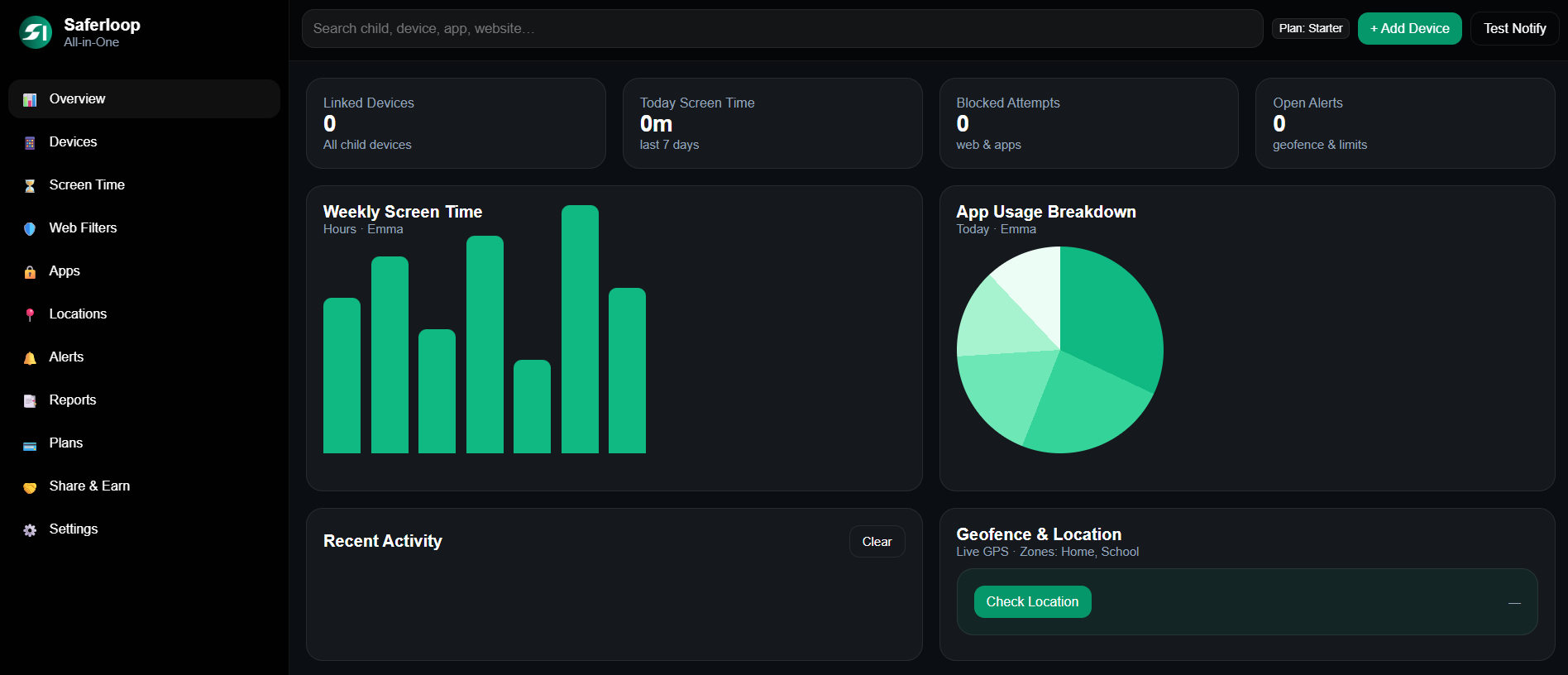
Protect Your Family with Saferloop
Advanced parental control software that keeps your children safe online while giving you peace of mind.
- Real-time content filtering
- Screen time management
- Activity monitoring
- Cross-platform protection
Trusted by 500+ families