

Children require therapy and mental counseling sessions to process complex emotions, stress, and manage behavioral changes that affect their daily lives.
×
Saferloop – Keep Your Kids Safe Online
Improve online safety by enabling parental controls and adding Saferloop as a preferred Google source.
When and Why Counseling for Your Kids Can Make a Difference?
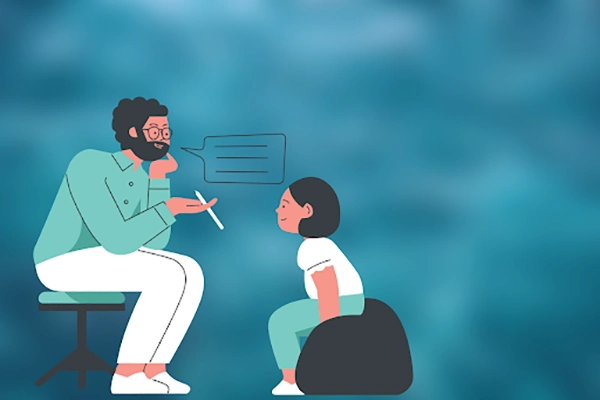
Raising children comes with moments of joy, confusion, and sometimes concern. As kids grow and learn, they face emotional, social, and academic pressure that isn’t easy for them to express.
This is where counseling for your kids becomes an important option for many parents who want to provide the right kind of support and assistance for their children, at the right time. Instead of waiting for things to settle down on their own, this helps them process their feelings in a safe environment.
Let’s understand how counselling sessions help children in times of need and how parents can support them and break the stigma created around it.
Key Takeaways
- Counseling provides children with a neutral space where thoughts can be expressed freely without the fear of judgment
- Anxiety, behaviour issues, and bullying are some of the major concerns that are expressed by kids during therapy sessions
- Parents are supposed to guide children towards seeking the appropriate help related to their issues, and to break the stigma that surrounds it
- Dealing with mental problems silently can stall a child’s growth, and counseling helps put them back on the right track
Table of Contents:
- Recognizing When Your Child May Need Support
- What Happens During Child Counseling Sessions
- Benefits of Counseling for Your Kids
- Common Challenges Addressed in Child Counseling
- The Role of Parents in the Process
- Choosing the Right Counseling Option
- Breaking the Stigma Around Counseling
- Long-Term Impact on Your Child’s Growth
- Final Thoughts
- Frequently Asked Questions
Recognizing When Your Child May Need Support
Every child is different, and not every behavioral change requires professional help. However, some patterns are worth paying attention to. If a child shows ongoing anxiety, frequent sadness, or struggles with friendships, it may be time to consider kids mental health support.
Children also face many challenges throughout their lives, such as bullying, family changes like divorce, academic pressure, or excessive screen time. These things often affect their mental stability and emotional balance.
Counseling provides them with a neutral space where they can express their thoughts without fear of judgment.
Parents sometimes hesitate because they worry about labeling their child or making the situation seem more serious than it is. In reality, early support through child therapy sessions can prevent small concerns from growing into bigger issues later.
What Happens During Child Counseling Sessions
Many parents feel unsure about what actually takes place in therapy. Unlike adult counseling, sessions for children often include creative activities such as drawing, storytelling, and play-based communication. These methods help children express emotions they may not yet have the words for.
An experienced therapist works to build trust with the child first. As the child feels comfortable, the therapist gently encourages them to share their thoughts and experiences. Over time, children learn how to manage emotions, improve communication, and build confidence.
At the same time, parent-child counseling may also involve guidance for parents. This helps them understand how to respond to their child’s needs in a more supportive way at home.

Benefits of Counseling for Your Kids
Choosing counseling for your kids can lead to meaningful improvements in different areas of life. Emotional awareness is one of the biggest benefits. Children begin to understand what they are feeling and why.
Another important benefit is improved behaviour. When children learn healthier ways to express frustration or sadness, conflicts at home and school often decrease. Counseling also helps in building stronger relationships with family members and peers.
Confidence is another area that often improves. Children who feel heard and supported are more likely to participate in school activities and social settings. Over time, these small changes can create a positive impact on their overall development.
Common Challenges Addressed in Child Counseling
Children face a wide range of challenges, and counseling can help address many of them. Anxiety is one of the most common concerns, especially related to school or social interactions. Depression, although less obvious in children than adults, can also affect their daily lives.
Behavioral issues such as aggression or defiance may have underlying emotional causes. Counseling helps identify these causes and works toward healthier responses. Additionally, children dealing with trauma or major life changes benefit greatly from structured emotional support for children.
Even problems like low self-esteem or difficulty concentrating can be improved with consistent therapy and counseling sessions.
The Role of Parents in the Process
Parents play a crucial role in the success of counseling. While therapists provide professional support, children spend most of their time at home. This means that the environment parents create has a strong influence on progress.
Open communication is key. Encourage your child to talk about their feelings without forcing them. Listen carefully and avoid quick judgments. Small actions such as spending quality time together or acknowledging their efforts can make a big difference.
It is also extremely important to stay patient throughout the process. The results from child counseling services may not appear overnight as progress takes place gradually, and consistency is what brings lasting change.
Did You Know?
Licensed counselors and psychologists generally do not prescribe medication, focusing instead on therapeutic techniques. Psychiatrists (medical doctors) prescribe medications.
Choosing the Right Counseling Option
There are different ways to access kids mental health support, including in-person sessions, school counselors, and online platforms. The right choice depends on your child’s comfort level and specific needs.
Some families prefer having face-to-face sessions for a more personal connection, while others find remote or online counseling more convenient.
One platform that has gained attention is 7Cups, which offers accessible support options for both children and parents.
When selecting a counselor, look for someone with experience in working with children. A good therapist should be able to create a comfortable and engaging environment for your child.
Breaking the Stigma Around Counseling
In many communities, there is still hesitation around seeking professional help for emotional concerns. Some parents worry about how others may perceive their decision. However, prioritizing your child’s well-being should always come first.
Talking openly about mental health issues helps normalize the idea that seeking the required support is a positive step.
Just like physical health, emotional health requires attention and care. By choosing counseling, you are giving your child tools to handle life’s challenges with confidence.
Long-Term Impact on Your Child’s Growth
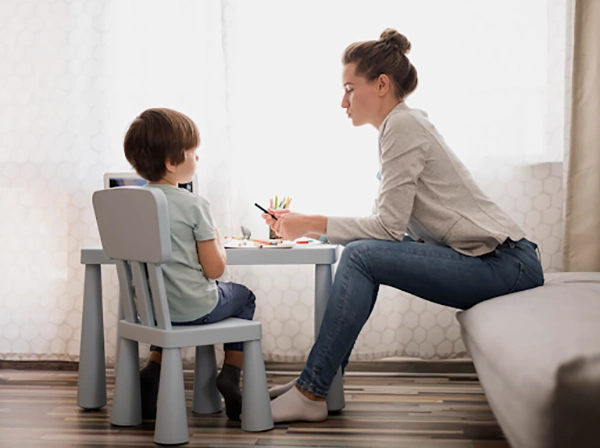
The benefits of counseling for your kids often extend far beyond the immediate concerns. Children who learn how to manage emotions early are better prepared for their teenage years and adulthood.
They tend to have stronger coping skills, better relationships, and a clearer understanding of themselves. These qualities contribute to both personal and academic success.
Investing in your child’s mental well-being is one of the most valuable decisions you can make as a parent. It is not about fixing something that is broken, but about supporting growth in a healthy direction.
Final Thoughts
Every child deserves to feel heard, understood, and supported. Life can be overwhelming at times, even for young minds. When challenges arise, seeking help through child therapy sessions can provide the clarity and comfort they need.
Staying attentive to your child’s changing behavior and being open to professional support creates a strong foundation for their future. Whether the issue is small or significant, taking action early can lead to meaningful change.
Counseling for your kids is not just a response to problems. It is a step toward building emotional strength, confidence, and a healthier outlook on life.
Frequently Asked Questions
hy do kids need therapy?
What benefit does a counseling session provide for a child?
The counseling sessions, either face-to-face or online, provide children a safe and non-judgmental space to discuss their mental health issues or problems, promoting self-confidence.
What is the role of parents in this?
Parents develop a child’s character and support them in any way they can. They can guide children to the right counseling option and break the stigma around it, so a child can freely discuss their problems.
What is the stigma surrounding mental health support and therapy?
It is usually considered that therapy is for weak-minded individuals who cannot solve a problem on their own, which is completely false, as therapy provides them a safe space to discuss issues and provide support for growth.
 Divya Kakkar
Internet Content Writer
About article
The author of this article Divya Kakkar, an Internet Content Writer at Saferloop, brings practical experience and industry knowledge to the subject.
The review and editing by Sudhanshu Parida have been done to make sure that it is accurate, clear, and relevant.
At Saferloop, we are determined to provide high-quality, well-researched, and updated content. To understand further how we produce and revise our articles, please refer to our Editorial Guidelines.
Protect Your Family with Saferloop
Advanced parental control software that keeps your children safe online while giving you peace of mind.
- Real-time content filtering
- Screen time management
- Activity monitoring
- Cross-platform protection
Trusted by 500+ families