

Cybersecurity protects and teaches children about online harms that can affect their mental and physical health.
×
Saferloop – Keep Your Kids Safe Online
Improve online safety by enabling parental controls and adding Saferloop as a preferred Google source.
Proactive Cybersecurity Practices Parents Should Adopt to Protect Their Child’s Digital Life
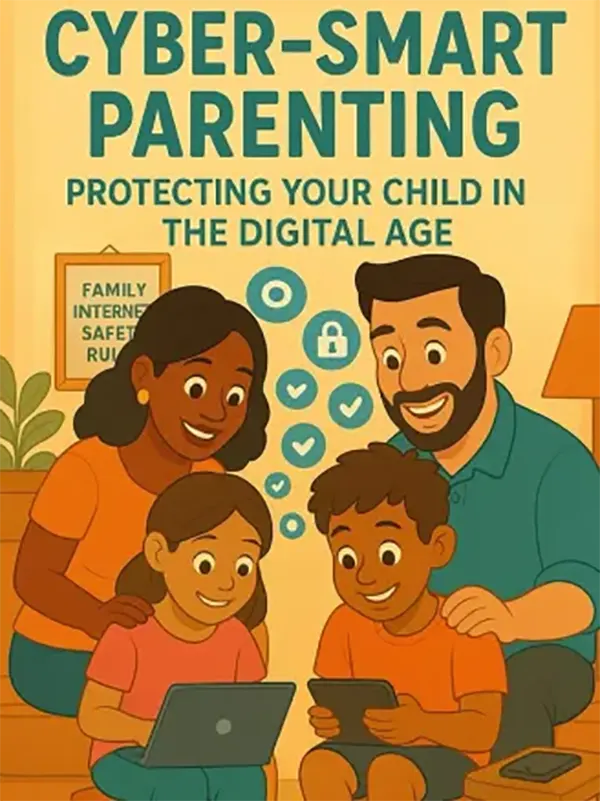
As the technology world is evolving, it has changed the way children see and understand things. Research from Pawresearch shows that 90% teens agreed they have access to smartphones or digital devices. Although the effects of technology are neutral, its growing influence creates too many risks for children.
Without proper guidance, kids have a high chance of becoming the victims of cybercrimes. A report from The Global Cybersecurity Forum(GFC) shows that around 72% children worldwide have faced cyberthreats online.
Now, to protect their kids online, parents should use Digital risk protection solutions and take some proactive steps. This article provides essential cybersecurity practices that every parent can adopt for their child’s protection.
Table of Contents:
- Why Proactive Cybersecurity Is Essential for Kids Today
- Common Digital Risks Children Face Online
- Essential Cybersecurity Practices Every Parent Should Follow
- Setting Up Strong Device and Network Security for Kids
- Role of Parental Control Tools in Risk Prevention
- Teaching Kids Safe Online Behaviour and Awareness
- Final Digital Safety Thoughts
- Frequently Asked Questions
Why Proactive Cybersecurity Is Essential for Kids Today
Cybersecurity isn’t just for professionals or IT businesses; it’s for everyone. Especially for kids because they are most vulnerable to cybercrime. In just a single year, the FBI reported more than 7,000 Financial sextortion cases, including minors. These reports highlight the importance of proactive cybersecurity.
I have listed some reasons why proactive cybersecurity is necessary for kids today –
- Children often face a high risk of cyberbullying online, but with the help of proactive cybersecurity, children can recognise and avoid this.
- Proactive cybersecurity helps children protect their personal data from strangers. This reduces the risk of identity theft or financial loss.
- Smart measures protect kids’ devices from malware and unauthorised access by providing multilayer protection.
Common Digital Risks Children Face Online
According to a report on children’s behaviour on the internet, 85% children aged 7 to 14 use the internet daily. The internet offers endless resources to learn and grow, but it also comes with various risks. Understanding these risks and safeguarding kids has become so essential.
Here are some common risks children can face –
- Exposure to inappropriate content or websites – The internet is a hub of various types of content, which includes sexual, violent an harmful content. A report from Internet Matters shows that 45% children aged 8 to 17 have seen inappropriate content online, which made them upset. Encountering this type of content can impact a child’s mental and physical health.
- Identity or Data theft – The increasing tendency to share personal information on social media, gaming apps, and websites creates the risk of identity or data theft. As children are most vulnerable, internet attackers might target them for data theft.
- Cyberbullying or Harrassment – A research by Pew Research study, held in 2022, shows that 49% children have experienced some kind of cyberbullying or harassment online. One of the most common types of cyberbullying is offensive name-calling and physical threats.
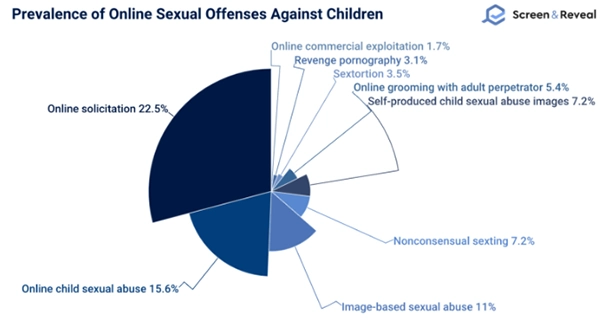
- Sexual exploitation – Online platforms are the hunting ground for online predators to find their victims. Statistics reveal that 20% kids have been sexually harassed online. Online predators mostly target females aged 12 to 15.
Essential Cybersecurity Practices Every Parent Should Follow
As children increasingly rely on the internet, the number of risks they face online evolves. Without any proper guidance, children might get exposed to things like cyberbullying, inappropriate content, sexual harassment, or identity theft. To safeguard their children from these cybercrimes, parents need to take some steps.
Here are some cybersecurity tips every parent should follow to protect their child online –
- Set up parental controls – Parents can use some parental controls, such as SaferLoop, to protect their child online. These controls help parents to set a time limit or block websites and content.
- Monitor and educate them – To protect their children, parents may monitor their activity and educate them about the dangers of the digital world.
- Safe online practices – Children share their personal data or information online, especially on social media and games. Parents need to set some rules and privacy settings, and check them regularly.
- Open communication – For more understanding, parents should create a safe environment and offer open communication so their child can share uncomfortable experiences they have faced online.
Setting Up Strong Device and Network Security for Kids
Children are excited to explore the internet, and parents are worried about their safety. Installing parental control apps and setting some rules can help parents rest a bit. But to create a more secure environment, parents can set up their child’s device and a few network security rules for kids.
- Before handing over the device to their kid, parents should make a child account on the device and enable two-factor authentication. Or they can use a parental control app to manage the device usage.
- Parents should use strong passwords that are hard to guess and disable app purchases on the device.
- Some Wi-Fi settings can help parents by gatekeeping their child’s device. A few routers come with family-friendly features such as blocking adult content or websites and setting a time limit for internet usage.
- Parents should teach their kids smart daily habits, like never sharing their personal information, and if they encounter something uncomfortable online, they should tell their parents.
Role of Parental Control Tools in Risk Prevention
Parental control tools work as a safety net to prevent children from online harm. With its features, it creates a safe digital environment for both parents and kids.
Parental control tools can –
- Parental control tools filter content and websites to prevent the risk of encountering inappropriate content by blocking it.
- It provides a location tracking and threat alert feature so parents can track their child’s real-time location and protect them.
- Parental tools have a feature of setting a time limit on devices, so children can only use the device for a specific time.
- To control and monitor the usage of the device, it provides a feature where parents can see all the activities their children are doing online.
Teaching Kids Safe Online Behaviour and Awareness
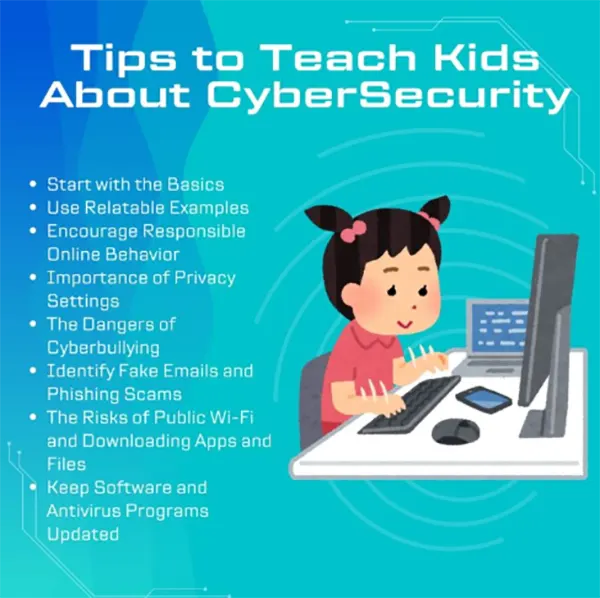
The internet is like an ocean, and kids are diving deeper into it. This ocean helps children learn and grow, but it also comes with too many potential risks, and without proper safety education, children can become victims of cybercrime.
Parents can help children learn safe online behaviour and protect them from potential risks.
- Talking to them regularly and explaining the online risks, such as cyberbullying, scams, and online harassment, can help spread awareness among children.
- Parents should teach their kids to set up strong passwords and explain why they should never share them online.
- Teach children to avoid clicking on any links or attachments in emails if they look suspicious and help them identify them.
- Parents should promote kindness and empathy to reduce the risk of cyberbullying and teach their children to treat others respectfully.
Final Digital Safety Thoughts
Digital safety is not about restrictions or fear; it is about teaching children how to explore the internet safely. It helps children learn how to interact respectfully online and what is safe to share.
Unsafe digital behaviours can affect children’s emotional and physical health. By learning these safe behaviours, children can protect themselves on the internet and help others create a safe digital environment.
Frequently Asked Questions
Why is cybersecurity important for kids?
What are cybercrimes against children?
Cybercrime against children is an online illegal act that can harm or exploit children using the internet. Cyberbullying and sexual exploitation are the most common cybercrimes against children.
How can parents protect their kids from cybercrimes?
Parents can use parental control tools and teach their children safe online behaviours to protect them from cybercrime.
 Neha Sharma
Parental Control & App Safety Writer
About article
The author of this article Neha Sharma, an Parental Control & App Safety Writer at Saferloop, brings practical experience and industry knowledge to the subject.
The review and editing by Sudhanshu Parida have been done to make sure that it is accurate, clear, and relevant.
At Saferloop, we are determined to provide high-quality, well-researched, and updated content. To understand further how we produce and revise our articles, please refer to our Editorial Guidelines.
Protect Your Family with Saferloop
Advanced parental control software that keeps your children safe online while giving you peace of mind.
- Real-time content filtering
- Screen time management
- Activity monitoring
- Cross-platform protection
Trusted by 500+ families