

In HR terms, flight risk is the likelihood that an employee will leave a company in the near future. There could be many reasons for the resignation.
×
Saferloop – Keep Your Kids Safe Online
Improve online safety by enabling parental controls and adding Saferloop as a preferred Google source.
How HR Predictive Analytics Tools Flag Flight Risk Before Resignations
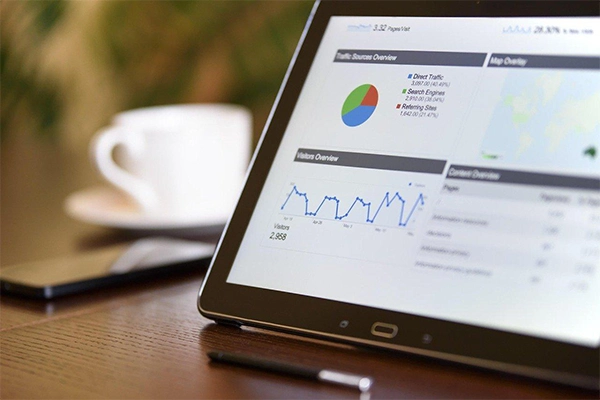
As businesses continue to fight employee turnover problems, HR predictive analytics systems are capable of flagging flight risk before the employee actually leaves. Key indicators such as decreased job satisfaction (e.g., in decline with respect to a long-term average), a drop in an employee’s productivity and levels of engagement at work, absence from meetings, a decline in the quality of work produced by an employee — all these and more can be monitored by the HR predictive analytics tool.
There is considerable potential for new HR predictive analytics applications in the future, particularly when linked to other analytic systems that utilize AI and/or machine learning. Identifying flight risk at work is closely aligned with improving the work environment and making the most of potential departures.
Table of Contents:
Understanding Flight Risk
As businesses continue to fight employee turnover problems, HR predictive analytics systems are capable of flagging flight risk before the employee actually leaves. There are several things that are worse for businesses than losing important employees and spending time and money to recruit and train their replacement. Well, this is very true in today’s global economy where we have a shortage of skilled workers in many areas.
The Magic of Data
HR predictive analytics tools can predict the time of an employee’s departure long before they leave the company. In order to do so, these tools analyze vast amounts of data that HR departments possess in the form of performance reviews, attendance records, and even survey responses. By comparing different parameters, the tools can come to certain conclusions.
Key Indicators of Turnover

Main factors like low job satisfaction, for example, feeling less respected, a drop in productivity or level of engagement at work, decline in the quality of the work given by an employee, and absence from meetings; all these things can be monitored by an HR predictive analytics tool.
Also taken into account are external factors that could negatively influence an employee and lead to his or her resignation in the near future. Such factors include fluctuations in the economic market, changes in the industry, and so on.
Real-time Monitoring
HR analytics solutions are capable of providing organizations with a wealth of real-time information to aid their decision-making. While typical employee performance reviews can take place on an annual basis, HR predictive analytics tools can continuously monitor employees for indicators of changes in behavior that could indicate a decline in job satisfaction and an increased risk of turnover. HR can then intervene to address any of these concerns as soon as they are identified.
Proactive Engagement Strategies
HR can use this type of data to execute a number of strategies to make sure they retain important employees at risk of flight. This could include things like professional development opportunities, more frequent check-ins, or even changing an employee’s job to match their wants and needs.
Future Trends in HR Analytics
There is considerable potential for new HR predictive analytics applications in the future, particularly when linked to other analytic systems that utilize AI and/or machine learning such as predictive CRM systems, predictive sales performance systems, and a range of other types of predictive or forecasting systems.
Recognizing flight risks at work is closely aligned with improving the work environment and making the most of upcoming departures. To actually maximize value from the brand-new analytics available to HR, businesses should use them to improve their workspace.
FAQs
What is flight risk in HR terms?
What is predictive analytics in HR?
In human resources, predictive analytics is the use of historical employee data and machine learning to predict future workforce trends and behaviours.
What is Real-time monitoring in an HR predictive analytics tool?
HR analytics tools are capable of providing organizations with a wealth of real-time information to aid their decision-making. HR can then intervene to address any of these concerns as soon as they are identified.
 Justin Thomas
Cybersecurity Analyst and Digital Safety Writer
About article
The author of this article Justin Thomas, an Cybersecurity Analyst and Digital Safety Writer at Saferloop, brings practical experience and industry knowledge to the subject.
The review and editing by Evan Patterson have been done to make sure that it is accurate, clear, and relevant.
At Saferloop, we are determined to provide high-quality, well-researched, and updated content. To understand further how we produce and revise our articles, please refer to our Editorial Guidelines.
Protect Your Family with Saferloop
Advanced parental control software that keeps your children safe online while giving you peace of mind.
- Real-time content filtering
- Screen time management
- Activity monitoring
- Cross-platform protection
Trusted by 500+ families