AI beauty filters can create unrealistic beauty standards and make tweens feel less confident about their natural appearance.
×
Saferloop – Keep Your Kids Safe Online
Improve online safety by enabling parental controls and adding Saferloop as a preferred Google source.
Beauty Filters and AI Avatars on TikTok: Helping Tweens Separate Digital Edits from Real Self-Image
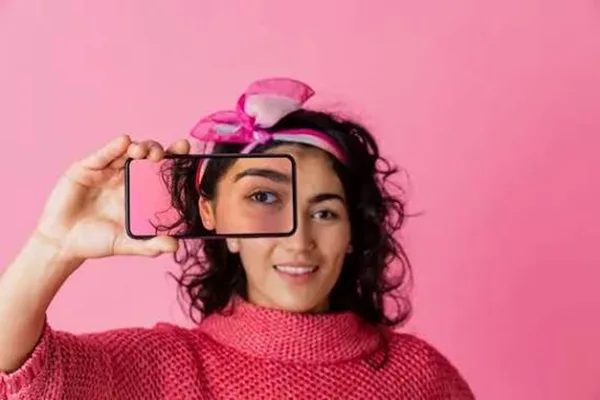
Almost all tweens have been trying to use various photo-editing applications well before high school. In particular, 80% of girls have been using camera filters or retouchers by the age of 13, the Dove Self-Esteem Project claims. Therefore, teaching them how to differentiate life from digital editing becomes especially essential. Start by learning how social applications work to educate your child beyond background clutter.
TikTok features millions of creators, artists, and teachers generating uplifting videos and building great communities. As for successful creators, many of them can benefit from increased visibility thanks to trusted and safe TikTok likes from Celebian, which supports positive content standing out on crowded feeds. At the same time, subtle AI beauty filters have become a major part of face reshaping in real time. Teaching tweens to notice such edits does not have to become a tough struggle over screen time.
Table of Contents:
- How Modern AI Filters Are Different from Old Photo Editing Applications
- Digital Edits vs. Real Life: What Your Child Thinks and What Is Actually Happening
- Healthy Screen Habits and Smart Creator Growth
- 4 Simple Ways to Develop Filter Literacy at Home
- Building Lasting Confidence Offline
- Frequently Asked Questions
How Modern AI Filters Are Different from Old Photo Editing Applications
Back then, filters were obvious. Users put funny stickers on their pictures, applied sepia color, or added sparkling elements. Nobody could confuse these effects with reality.
Today, AI filters work differently. The technology allows it to track several facial points and erase pores, slim jaws, and widen eyes in real time. According to the ParentsTogether survey, 70% of teens cannot pass a “Real or Fake?” quiz about celebrities’ images being edited. Moreover, 61% claim that applying beauty filters worsens the way they look in the mirror.
Digital Edits vs. Real Life: What Your Child Thinks and What Is Actually Happening
Teenagers generally believe that creators have flawless skin since it looks that way in the video. It becomes much easier to explain how it is done when showing them what is going on behind the screen.
| TikTok Visual Feature | How the AI Alters It | How to Explain It to Your Tween |
| Auto-smoothing skin filters | Blurs natural skin texture, freckles, and under-eye shadows in real time | Everyone has pores and skin texture; the camera software is simply painting over them |
| AI beauty avatars and anime morphs | Rebuilds facial proportions into symmetrical, fantasy-style characters | These are digital cartoons generated by code, not goals for how real people look |
| Body-reshaping video lenses | Warps waistlines and limbs dynamically while someone dances or walks | A computer program is stretching the pixels on screen like a funhouse mirror |
Healthy Screen Habits and Smart Creator Growth
The more tweens scroll, the more they think that being popular online means having frequent screen time and looking perfect. However, showing how smart creators develop channels can burst the bubble.
Family-friendly and positive users know how to promote themselves responsibly without compromising their private life. Therefore, learning useful ways to grow TikTok channels without constant screen time shows how healthy users do it in practice. Once tweens understand how normal creators step back from screens and lead a regular life, the pressure to perform online becomes nonexistent.
4 Simple Ways to Develop Filter Literacy at Home
No need to forbid TikTok use if you want to secure your child’s self-esteem. Just try these simple practices at home:
1. Play the “Spot the Edge” Game Together
Spend five minutes watching some trending clips side by side. Pay attention to the areas near the jawline, hairline, or the background wall. Once the user starts moving quickly, the filters sometimes glitch and distort background lines for a second. Spotting such tiny digital imperfections will turn media knowledge into a fun investigation.
2. Turn Off the Pre-Enabled Filters of Your Phone Camera
Many front-facing phone cameras and social applications enable the slight “touch-up” options automatically. Open the camera settings and turn them off. Getting accustomed to seeing one’s normal face on the display teaches tweens to be confident about the way they really look.
3. Follow Various Diverse Creators Who Do Not Use Filters
Algorithms show users what they spend the most time scrolling. Try to help tweens to find diverse creators who share hobbies, such as drawing, skateboarding, cooking, or playing music, and whose videos show normal skin texture. Filling the feed with useful skills instead of selfies shifts the focus of tweens from their looks to actions.
4. Keep the Same Shared Devices Rules
The tired brain makes people be too sensitive to oneself. Establish firm screen boundaries across different devices and make sure that all of them charge outside the room after dinner. Consistent screen usage practices allow tweens to take a deep breath away from the device and spend time with friends in person.
Building Lasting Confidence Offline
It is always better to use curiosity to discuss social media problems than to give tweens lectures. Just ask them openly about their favorite creators and which content seems realistic and edited in their feed. Combining calm conversations with steady screen time rules provides tweens with more value to their offline self with critical vs. non-critical alerts.
Frequently Asked Questions
How do AI beauty filters affect tweens?
How can parents teach tweens to recognize digital filters?
Parents can play filter-spotting games, compare edited and unedited images, and discuss how AI changes facial features with beauty touch-ups.
How can tweens build a healthier relationship with TikTok?
Encourage screen-time boundaries, follow diverse creators, build personal interests, and focus on offline hobbies.
 Divya Kakkar
Internet Content Writer
About article
The author of this article Divya Kakkar, an Internet Content Writer at Saferloop, brings practical experience and industry knowledge to the subject.
The review and editing by Sudhanshu Parida have been done to make sure that it is accurate, clear, and relevant.
At Saferloop, we are determined to provide high-quality, well-researched, and updated content. To understand further how we produce and revise our articles, please refer to our Editorial Guidelines.
Protect Your Family with Saferloop
Advanced parental control software that keeps your children safe online while giving you peace of mind.
- Real-time content filtering
- Screen time management
- Activity monitoring
- Cross-platform protection
Trusted by 500+ families