
Ans: In casual conversation, it usually means overreacting, being overly dramatic, or acting wild about something minor.
×
Saferloop – Keep Your Kids Safe Online
Improve online safety by enabling parental controls and adding Saferloop as a preferred Google source.
What Does Tweaking Mean in Slang? Gen Z Use, Memes, and Other Meanings Explained
When you encounter someone using “tweaking,” you might be thinking, “What does’ tweaking ‘mean in slang?” It is a casual way to describe overreaction, craziness, or irrational behavior.
So, as a concerned parent, you should stay till the end of this article to understand tweaking meaning in great detail. Here, you can discover examples, other meanings, and safety tips for children.
Quick Answer:
Among teens and on social media, “tweaking” usually just means overreacting or acting dramatic over something minor. This everyday sense is harmless. Separately, the word also has a clinical meaning describing agitated behavior linked to stimulant drug use, which is a more serious context parents should be able to recognize.
Table of Contents:
What Does Tweaking Meaning in Slang?
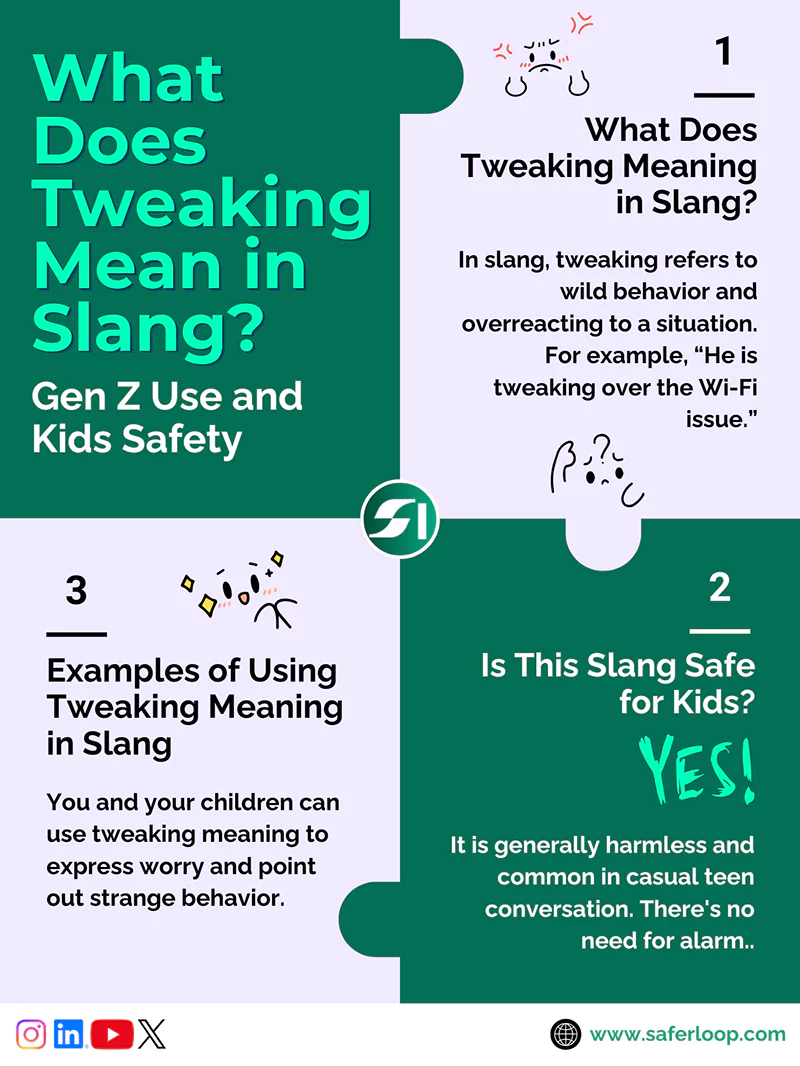
In slang, tweaking refers to wild behavior and overreacting to a situation. It is a situation when someone is stressed out over a minor issue or totally confused. For example, “He is tweaking over the Wi-Fi issue.”
Gen Z also uses it as a synonym of “losing it.” But it is also used sarcastically on social media to describe overexcitement and craziness. For example, “Why is he tweaking over his 5K followers on Instagram?”
But the origin of the tweaking meaning is expected in the mid-1900s. It was basically used to make modifications in machines, engines, and settings. In the late 20th century, it was used to describe paranoid or erratic behavior.
After the rise of social media, it became a mainstream term in meme culture. Now, in 2026, tweaking is commonly used for dramatic behavior.
Examples of Using Tweaking Meaning in Slang
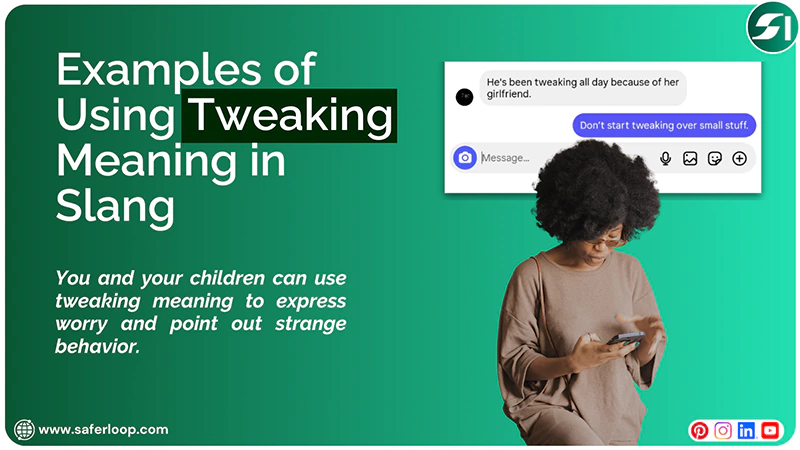
You and your children can use tweaking meaning to express worry and point out strange behavior.
Let’s take a look at the real-time examples of how to use tweaking meaning in slang safely.
- To Express Worry
If your friend or family member shows aggression, you should use tweaking to express worry.
Examples:
- “Why are you tweaking your exams?”
- “It’s an on and off day; just don’t tweak.”
- Point Out Strange Behavior
You can point out someone’s behavior when they unnecessarily show anger and irritation.
Examples:
- “He’s been tweaking all day because of her girlfriend.”
- “Don’t start tweaking over small stuff.”
- In Meme Culture
Tweaking is also used in meme culture to add humor and drama. “Me Genuinely Tweaking” is a popular caption used on TikTok to show an emotionally overwhelming situation.
Examples:
- “Me genuinely tweaking because of my exam syllabus.”
- “I was tweaking in the kitchen when I ate noodles at 3 PM in the kitchen.”
Other Meanings of Tweaking Abbreviation
People less commonly use tweaking to refer to small adjustments, physical pull or twist, and drug addiction.
Here are some examples of how to use other meanings in your daily conversation.
- Making Small Adjustments
Tweaking means making small adjustments in a system or gadget to improve performance.
Examples:
- “Can you please tweak the code to make it faster?”
- “He tweaks the color of the photos before sending them to the faculty.”
- Physical Pull or Twist
When you pull, twist, or pinch something in a sharp moment, it also means “tweaking.”
Examples:
- “She tweaked her brother’s ear playfully.”
- “My grandparents always tweak my cheeks to show love.”
- Severe Agitation from Drugs
Tweaking is also related to the dangerous state when someone is overly addicted to a drug or cocaine.
Examples:
- “He’s tweaking after overconsumption of drugs.”
- “His friend was admitted to the healthcare center when his tweaking behavior hurt others.”
- Related Slang Worth Knowing
You may also come across “tweaker” or “tweaked out” online or in conversation. These terms are more directly tied to the drug-related meaning below rather than the playful, everyday one, so context matters when you see them.
Is This Slang Safe for Kids?
The everyday, joking use of “tweaking,” meaning overreacting or being dramatic, is generally harmless and common in casual teen conversation. There’s no need for alarm if you see your child using it this way.
That said, it’s worth knowing the word has a second, more serious meaning tied to drug use, so you can tell the difference in context. If “tweaking” comes up alongside other concerning language, unfamiliar slang, or a shift in your child’s behavior, it may be worth a closer look. This isn’t because of the word itself, but because of the context around it.
More broadly, some other slang terms circulating online, like doxxing-related terms, can carry real risks. That’s part of why staying familiar with how kids communicate matters.
You can use Saferloop to understand the meaning of the slang terms your children use. It helps you to identify whether these lingos impact their behavior or mental health.
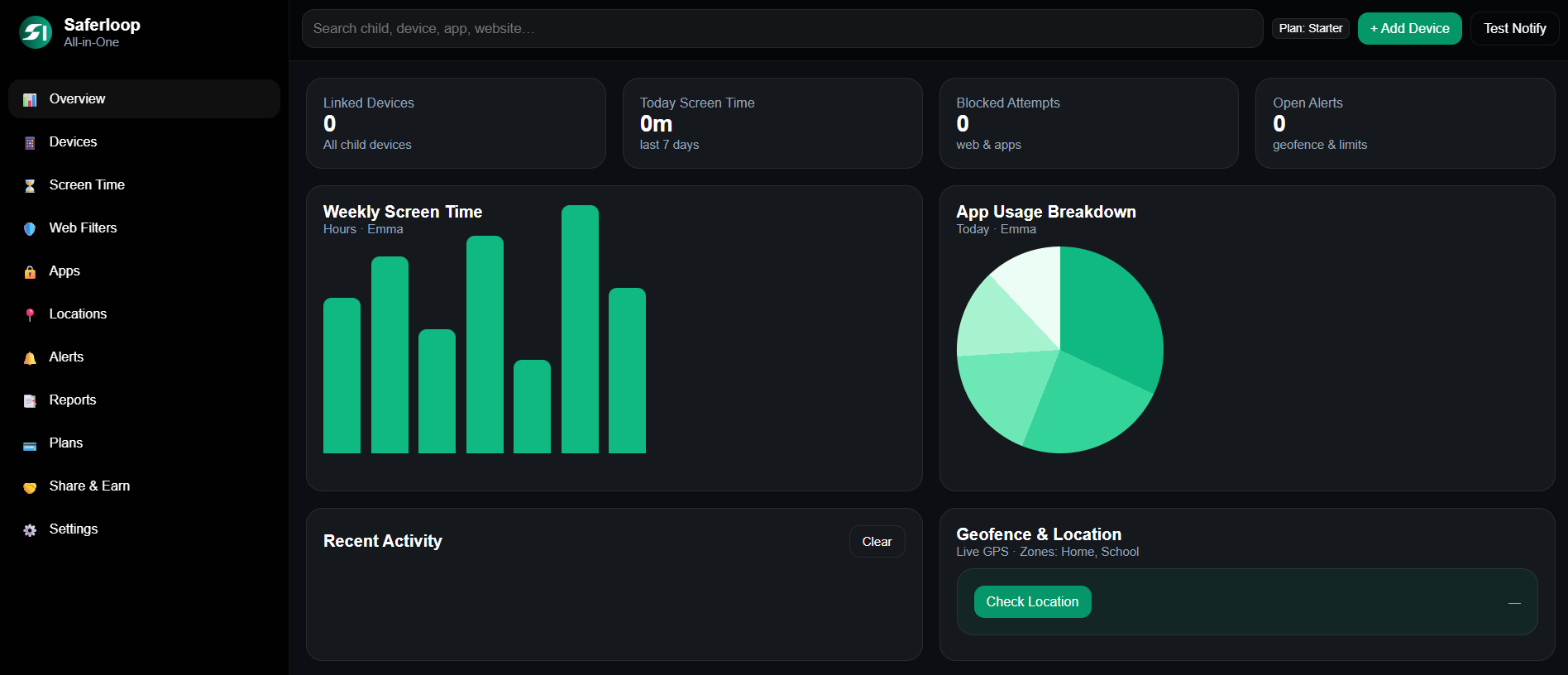
To make your monitoring easy, you can also install the Saferloop parental control software on your kids’ devices. It offers many safety features, such as:
- Helps you monitor everything your kids do online.
- You can easily set up screen time limits to decrease their phone usage.
- Filter inappropriate content and slang terms for extra security.
- Also, track your kids’ physical location from your phone.
- Set up the Saferloop safety checkup extension for Chrome.
- Use Saferloop GPT to ask queries about digital parenting.
On the whole, Saferloop helps you to keep your little ones away from tweaking slang and supervise them regularly.
How Parents Can Stay Informed
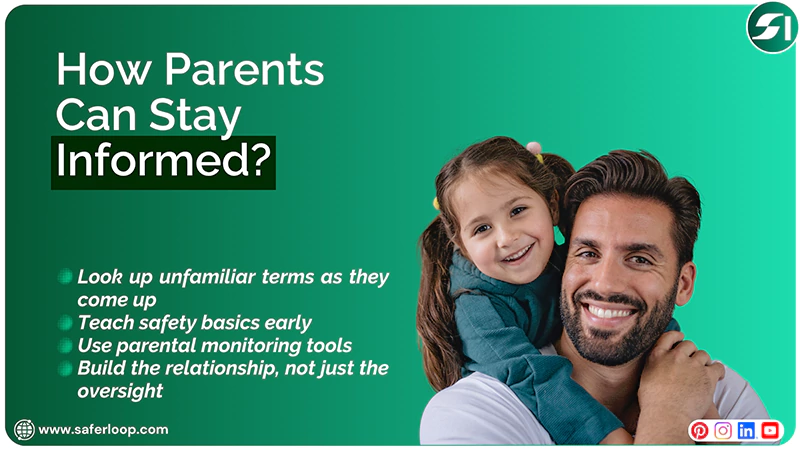
Staying proactive as a parent doesn’t mean monitoring every message. It means staying informed enough to tell harmless slang apart from something that actually needs attention. Here are a few practical ways to do that:
- Look up unfamiliar terms as they come up: A slang dictionary can quickly tell you whether a word your child is using is harmless or worth a closer look.
- Teach safety basics early: Simple habits like not talking to strangers online, never sharing personal information, and feeling comfortable telling you about anything that feels off go a long way.
- Use parental monitoring tools where they help: Software like Saferloop can support you with AI-powered slang lookups, screen time limits, content filtering, and location tracking, so you’re not trying to keep up with everything manually.
- Build the relationship, not just the oversight: Kids are far more likely to come to you directly about something concerning if the relationship isn’t built solely around monitoring.
Also Read: Is the Tooth Fairy True? What Parents Should Tell Their Children
Wrapping Up!
Tweaking meaning in slang refers to overreacting, irrational behavior, and acting crazy. Since it is safe for kids, you should keep monitoring how they use this slang term on online platforms.
You should also use the Saferloop parental control software to keep an eye on your children to protect them online. It can help you save them from dangerous slang terms and threats.
Author’s Note:
When I first came across “tweaking” in a group chat between teens, my instinct was to assume the worst, since I’d only ever heard the word used in the context of drug abuse. That assumption turned out to be wrong, and it’s a mistake I see a lot of parents make.
What I’ve learned covering slang like this is that context tells you almost everything. A kid saying “I’m literally tweaking” after a bad grade is venting, not signaling a problem. The word only becomes worth a closer look when it shows up alongside other changes, like withdrawal, secrecy, or new friend groups you don’t recognize. Reacting to the word alone, without those signals, usually just teaches kids to stop using slang around you rather than to stop using it altogether.
My suggestion to parents is simple: get comfortable enough with slang that you’re not caught off guard by it, but save your concern for patterns of behavior, not individual words.
Frequently Asked Questions
Q: What does tweaking meaning in slang?
Q: What does it mean when someone says bro is tweaking?
Ans: Tweaking can describe overreacting, aggression, unpredictable action, and awkwardness in emotions and feelings.
Q: Is tweaking a rude word?
Ans: Not inherently. It’s mostly used casually and even affectionately among friends. It can read as more pointed depending on tone, but it isn’t considered a slur or serious insult.
Q: Does “tweaking” always relate to drugs?
Ans: No. In everyday conversation, especially online, it almost always refers to dramatic or exaggerated behavior. The drug-related meaning is a separate, more clinical usage and is usually clear from context.
 Gunjan Saini
Cyber Safety & Parental Control Writer
About article
The author of this article Gunjan Saini, an Cyber Safety & Parental Control Writer at Saferloop, brings practical experience and industry knowledge to the subject.
The review and editing by Evan Patterson have been done to make sure that it is accurate, clear, and relevant.
At Saferloop, we are determined to provide high-quality, well-researched, and updated content. To understand further how we produce and revise our articles, please refer to our Editorial Guidelines.
Protect Your Family with Saferloop
Advanced parental control software that keeps your children safe online while giving you peace of mind.
- Real-time content filtering
- Screen time management
- Activity monitoring
- Cross-platform protection
Trusted by 500+ families