
It’s basically tools or apps that help parents see where their child is in real time using GPS. Some also send alerts if a child leaves a safe area or if something unusual happens.
×
Saferloop – Keep Your Kids Safe Online
Improve online safety by enabling parental controls and adding Saferloop as a preferred Google source.
How Smart Tracking Technology Can Help Keep Your Child Safer Outside
Most parents don’t think much about tracking until they actually need it. A child leaves for school, goes to coaching, stops by a friend’s place, and everything feels normal, until there’s a delay, a missed call, or just silence. That small gap is usually where anxiety starts.
At the same time, kids today move around more independently than ever. They’re not just going out more; they’re also managing routines on their own. And according to UNICEF, around 1 in 3 internet users globally is a child, which shows how early independence now starts, both online and offline.
So the real question isn’t whether kids should have freedom. It’s whether parents have enough visibility when they do, and how to maintain that balance without overstepping into constant monitoring. This article explores how smart tracking technology, including solutions like Saferloop, can help parents balance child safety, privacy, and independence.
Table of Contents:
How Smart Tracking Technology Supports Child Safety
Smart tracking is basically there to help parents know where things stand, without having to constantly check in or interrupt their child’s day. It usually runs on things like GPS, app signals, and simple activity patterns. Nothing dramatic, just enough to pick up when something looks suspicious.
Different tracking systems explore the processes, types, and ways it protects children by using location data, alerts, and behavior patterns to improve safety in real time
Smart tracking is part of a wider safety-tech ecosystem where systems like commercial fleet dash cam solutions and risk assessment models are used to detect and prevent potential safety issues through real-time behavioral and movement analysis.
And that’s kind of the point. Most situations don’t announce themselves. If something feels off, parents don’t want to find out hours later. Whether it’s school, coaching, or just being out with friends, tracking helps maintain a loose thread of awareness without turning it into constant checking.
Choosing the Right Tracking Device for Your Child
There’s no perfect tracking device that works for every family. Some parents want constant updates. Some only care about school pickups and late evenings. Some kids are fine carrying a smartwatch. Others will lose it within three days.
A lot of the decision comes down to age, routine, and your child’s independence. What works well for a second-grader usually won’t make sense for a teenager who’s already traveling around the city on their own.
While choosing the right tracking device, parents should also check how apps follow a raft of data regulations to keep children’s data safe and private.
Wearable GPS Trackers
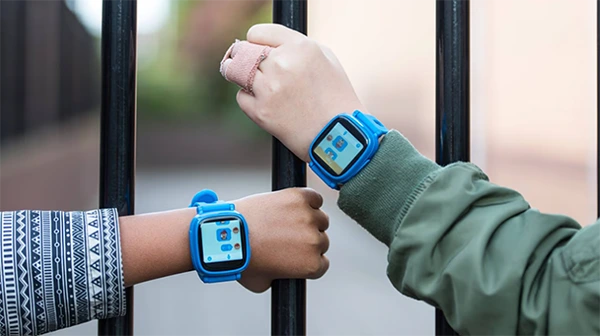
Wearable GPS trackers are usually the first option parents look at for younger children because they are simple. Kids can wear it like a watch, and parents can easily check the location on their phone whenever needed.
Most of these devices have features such as live location tracking, SOS buttons, and alerts when children leave or enter certain areas. That’s usually all parents really want for younger kids. A tracker that’s comfortable, easy to charge, and doesn’t annoy your child tends to work better long term than one loaded with features, so choosing the simple one is a better option.
Smartphone-Based Tracking Apps
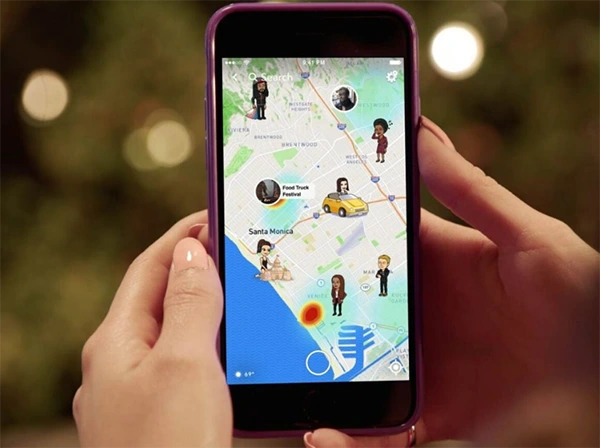
Once children get older, they would rather use the phone, already glued to their hands, than carry around a separate tracking device. That’s why phone-based tracking apps tend to work better with older kids.
Family Location Sharing Tools
Some families don’t want a tracking app focused on one child; they just want a simple way to keep up with everyone’s schedule without constant texting and calls, and that’s where family location-sharing apps come in.
Instead of tracking one person, these apps work more like a shared map for the whole household. Everyone can see who’s on the way home, who’s still at practice, or whether someone got stuck in traffic somewhere. Some apps also include extra features like emergency alerts, crash detection, or quick safety check-ins during travel.
Balancing Safety, Privacy, and Trust With Your Child
Tracking tools only really work well when kids know what’s going on. If it feels hidden or like they’re being watched all the time, it usually does more harm than good. Trust starts to slip pretty quickly in that case.
It helps when parents are upfront about it, why the tracking is there, how it works, and when it’s actually going to be used. Not in a formal rules and regulations way, just an honest conversation, so kids aren’t left guessing.
Things get a bit messy when tracking turns into something constant. If it’s being checked all the time, kids start to feel it. That’s usually when it stops feeling like safety and starts feeling like pressure, and pushback tends to show up pretty quickly after that.
Practical Ways to Use Tracking Technology Responsibly
Tracking works best when it’s not treated like something you check all the time for no real reason. It’s more useful when it’s there for those “just in case” moments instead of becoming part of every few minutes of the day.
Some responsible ways to use tracking technology include:
- Setting geofencing alerts for school, home, or activity centers
- Using emergency SOS features for unexpected situations
- Checking locations only when routines suddenly change
- Encouraging children to communicate alongside using tracking tools
- Reviewing privacy settings regularly to protect personal data
Conclusion
As kids get older, parents don’t really stop worrying. It just shows up differently. It is not constant fear, but small thoughts in their mind when children are out. That’s usually where tracking tools end up fitting in.
Not as something to control every move, but more like a quiet backup you can check when things don’t add up. However, if it starts turning into constant checking, it feels like a surveillance for parents and kids both.
So in the end, it really comes down to balance. A bit of communication, a bit of trust, and using the tool when it actually makes sense, not just out of habit. Not checking every few minutes, not jumping in at every small delay, but also not ignoring it completely when something genuinely feels off.
Frequently Asked Questions
What is smart tracking technology for kids?
When should parents start using tracking devices?
Actually, it really depends on the child. Some parents use it around the early school age, while others wait until the teenage years when independence increases.
Do tracking apps work without the internet?
Some devices can store location info temporarily, but for live tracking, most apps do need mobile data or the internet to update properly.
 Divya Kakkar
Internet Content Writer
About article
The author of this article Divya Kakkar, an Internet Content Writer at Saferloop, brings practical experience and industry knowledge to the subject.
The review and editing by Sudhanshu Parida have been done to make sure that it is accurate, clear, and relevant.
At Saferloop, we are determined to provide high-quality, well-researched, and updated content. To understand further how we produce and revise our articles, please refer to our Editorial Guidelines.
Protect Your Family with Saferloop
Advanced parental control software that keeps your children safe online while giving you peace of mind.
- Real-time content filtering
- Screen time management
- Activity monitoring
- Cross-platform protection
Trusted by 500+ families