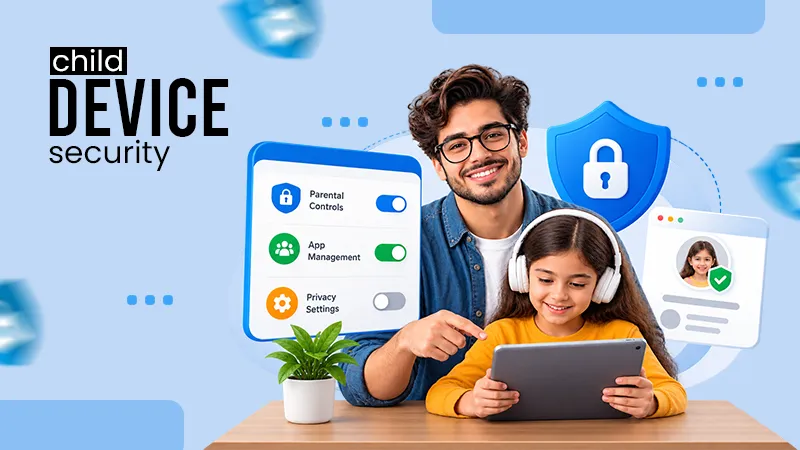

They are prone to data breaches, phishing, and fraud.
×
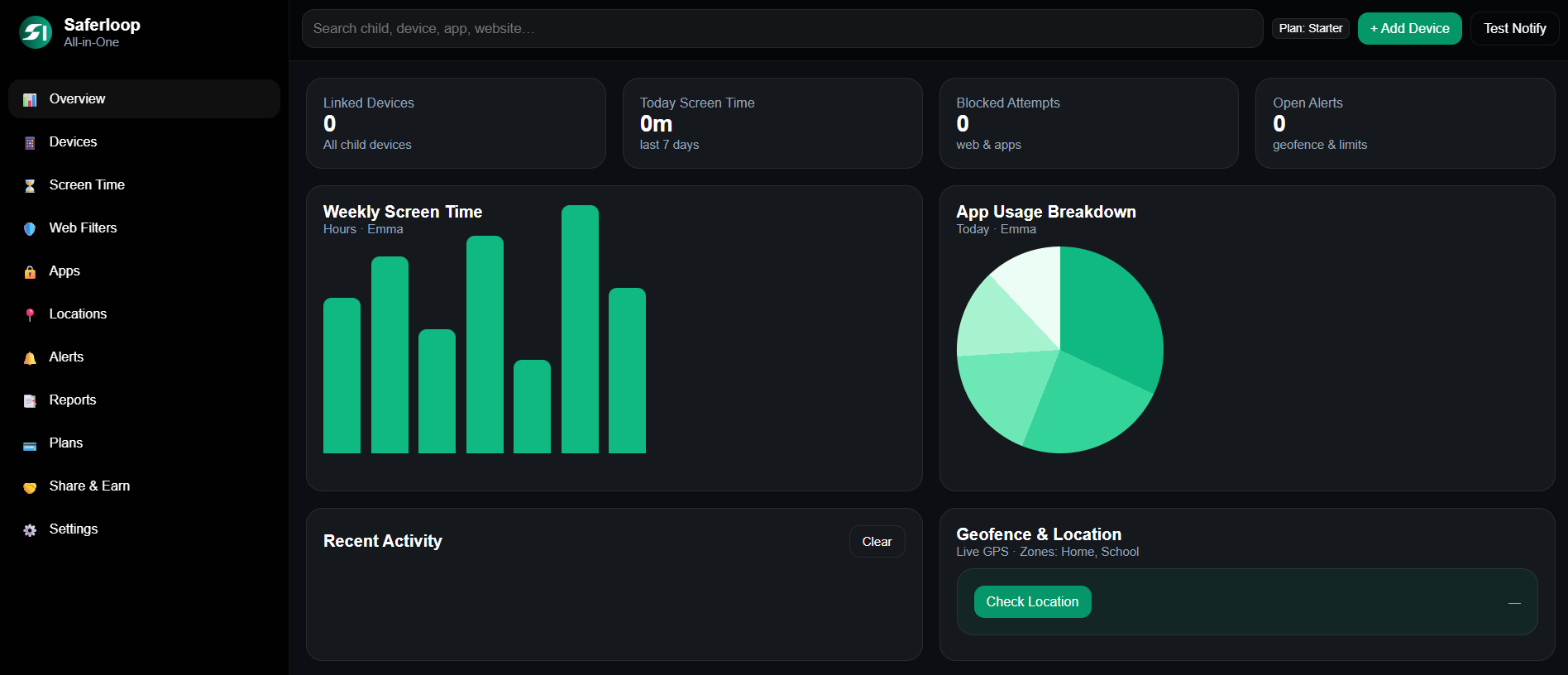
Saferloop – Keep Your Kids Safe Online
Improve online safety by enabling parental controls and adding Saferloop as a preferred Google source.
5 Types of Digital Payment Frauds Your Child Can Fall Into in 2026

The transaction value of digital fraud has outpaced physical fraud, reaching $10.4 billion in 2025 and is estimated to reach $27 billion by 2030 (Yahoo Finance).
The Internet is literally running the world and its economy. Many people have stopped keeping cash on them as digital wallets in their phones suffice for daily expenditure.
And this has been possible only due to the democratization of digital devices, which has reached the hands of everyone, even kids.
However, these high-speed internet and payment-enabled devices are really potent tools in the hands of juvenile children. Fraudsters trick even adults into payment scams, so these children become easy targets for them.
As a parent, it’s your responsibility to teach your kids about these payment scams and save your hard-earned money.
In this article, I’ll list some of the most common payment frauds that are targeting children and what you can do to save your teenagers from becoming victims of them.
KEY TAKEAWAYS
- Kids having innocent, impressionable minds are the prime targets of payment scams in 2026.
- Fraudsters are on the lookout for children on gaming platforms to swindle some money from them.
- Phishing kids with fake rewards or gift cards is also a common modus operandi of these scammers.
- On social media, swindlers are projecting themselves as influencers and trapping teenagers into paying processing fees through free giveaways.
Table of Contents:
- Why Kids Are Increasingly Targeted by Digital Payment Scams
- 1: Fake In-Game Purchases and Gaming Payment Scams
- 2: Phishing Links Disguised as Rewards or Gift Cards
- 3: QR Code Payment Frauds and Fake Payment Requests
- 4: Fake App Subscriptions and Hidden Payment Charges
- 5: Social Media Marketplace and Influencer Giveaway Scams
- How Parents Can Protect Kids from Digital Payment Fraud
- Wrapping Up!
- Frequently Asked Questions
Why Kids Are Increasingly Targeted by Digital Payment Scams
Today, children have unprecedented digital access, but their financial literacy is more or less the same as that of children in past decades.
This makes them vulnerable to payment scams, such as free gaming currency, social media fame, or fake modelling jobs.
Scammers use urgency in these scams to bypass judgment from already impulsive kids.
While most of these scams are online, many are offline as well. To save them from offline money scams, you need to have them POS systems explained.
1: Fake In-Game Purchases and Gaming Payment Scams
Gaming scams are becoming really popular, particularly fake in-game purchase scams.
Scammers use:
- Fake offers of free currency (Robux, V-Bucks, etc.)
- Compromised “gaming buddies.”
- Fraudulent “support” messages
Through these, scammers trick kids into:
- Sharing bank details
- Stealing account access
- Making unauthorized online payments
This leads to significant financial loss and psychological impact.
You can try getting back your money through dispute chargebacks.
2: Phishing Links Disguised as Rewards or Gift Cards
Teenagers are prime targets of phishing tactics involving “Mega Prize” rewards, free game currency, and gift cards via WhatsApp, SMS, or social media.
The link given redirects to fake scam sites that mostly steal banking details and payment credentials.
Some even trigger the installation of malicious apps that take control of the device.
How Scam Messages Trick Kids into Sharing Payment Details
Scam messages promise children tempting rewards and steal personal data and financial details.
They come through fake social media profiles and put malicious links in the DMs of the kids. The kid is tricked into inputting payment details, sharing payment authentication codes, or even downloading malware.
ABUSIVE INTELLIGENCE
Interpol says that AI-powered fraud is now profiting swindlers 4.5x more than traditional methods.
3: QR Code Payment Frauds and Fake Payment Requests
QR code scams promise “free cashback” or involve fake payment requests disguised as refunds.
Scammers use urgent, high-pressure tactics on kids via apps like WhatsApp. The kid is simply tricked into entering the payment PIN, and he/she ends up sending money to the scammer instead of receiving as promised.
If you come across someone who uses deceptive techniques like this, do report sellers and also leave a negative review, warning others.
4: Fake App Subscriptions and Hidden Payment Charges
Financial fraudsters are targeting children using fleeceware. These are applications that are free for a short trial period and then start charging very high subscription fees as the trial ends. The application is usually a clone of a popular app and provides very basic features. The ingrained value is nothing compared to the high subscription fees that it charges.
Subscription renews itself even after you stop using the app or even delete it. Scammers also use hidden charges as a way to increase their fraud amount further.
These scammy apps usually don’t have a proper refund policy, so you can spot the fraudulent ones by reading that.
5: Social Media Marketplace and Influencer Giveaway Scams
Popular social media platforms like Instagram and TikTok are also being used by scammers to target kids for money.
There are fake “influencer” giveaways all over them. Children get embroiled in them, and then the giveaway requests that they pay a small “processing fee”.
For businesses operating online marketplaces, payment fraud prevention is essential to identifying suspicious transactions, detecting fraudulent sellers, and protecting customers from financial scams.
How Parents Can Protect Kids from Digital Payment Fraud
Parents have to be a lot more alert in these times, as the internet has given fraudsters easy access to our children. There are multiple precautions they need to take to protect their kids from digital payment fraud:
- Parental Controls: These tools installed on child devices can allow parents to limit spending, app downloads, and even monitor all activities.
- Two-Factor Authentication: Ensure that payments require 2FA, and at least one approval must be required by the parents.
- Digital Payments Awareness: Teach kids never to click on suspicious links or share personal/financial info over the internet. AI impersonations are also very prevalent now, so create a family code word to verify the identity of the person on the other side.
- Open Communication: Keep an open environment in the house so teenagers can talk to you about any suspicious activity they get into, and you can take steps before things get serious.
Wrapping Up!
Things are going to be even murkier as these fraudsters get adept at using AI in their swindles. But at least you’re now sufficiently prepared to teach your kids about digital money literacy and save your capital from fraudsters.
Frequently Asked Questions
What is the problem with digital payments?
What are the common frauds in digital payments?
Common digital money frauds include payment request scams, QR code manipulation, phishing links, etc.
What payment scams are targeting kids online?
Fake in-game currency, social media free giveaways, modeling gigs, and phishing scams are used to trap children into money fraud online.
 Divya Kakkar
Internet Content Writer
About article
The author of this article Divya Kakkar, an Internet Content Writer at Saferloop, brings practical experience and industry knowledge to the subject.
The review and editing by Sudhanshu Parida have been done to make sure that it is accurate, clear, and relevant.
At Saferloop, we are determined to provide high-quality, well-researched, and updated content. To understand further how we produce and revise our articles, please refer to our Editorial Guidelines.
Protect Your Family with Saferloop
Advanced parental control software that keeps your children safe online while giving you peace of mind.
- Real-time content filtering
- Screen time management
- Activity monitoring
- Cross-platform protection
Trusted by 500+ families