
Games with violent content, gambling-like mechanics, or heavy in-game purchases may not be suitable for children. Titles designed for mature audiences often include themes children may not understand. Games that encourage excessive spending or constant play can also negatively affect kids’ habits and behavior.
×
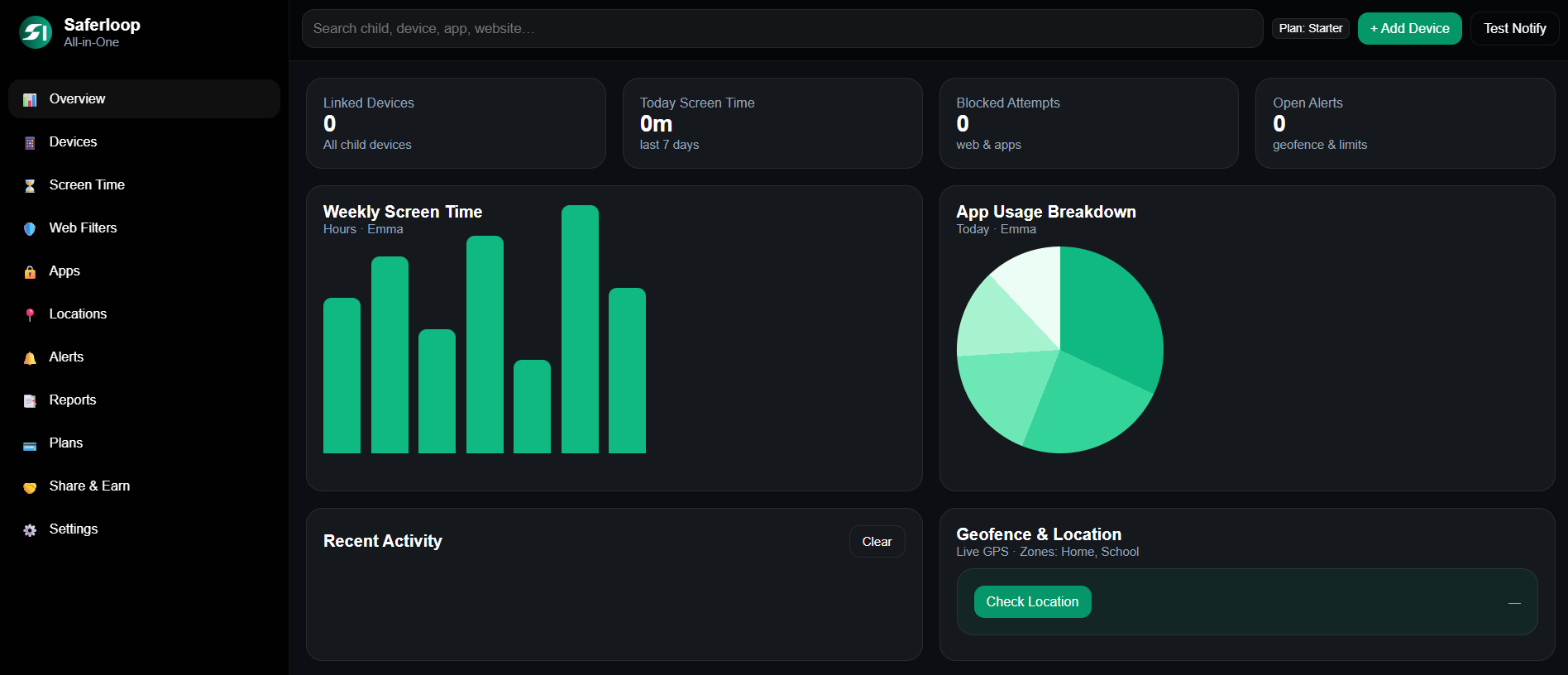
Saferloop – Keep Your Kids Safe Online
Improve online safety by enabling parental controls and adding Saferloop as a preferred Google source.
Online Gaming Risks That Can Affect Your Child and Your Wallet

Online games are now a huge part of childhood. Millions of kids spend hours playing games like Fortnite, Minecraft, and Roblox with friends around the world. Gaming itself is not the problem. The challenge is that many modern games are designed as digital marketplaces where players constantly spend money on skins, upgrades, and virtual items.
For parents, this creates a new type of financial risk. Children may unknowingly spend real money through in-game purchases, digital currencies, or hidden payment systems. Some games even blur the line between entertainment and financial platforms.
Regulators have warned that gaming environments increasingly resemble payment systems where billions of dollars move through virtual assets each year.
Understanding these risks can help parents protect both their children and their wallets.
In-Game Purchases Can Drain Real Money
Many modern games rely on microtransactions. These are small payments players make during gameplay to unlock items, features, or cosmetic upgrades.
At first, the purchases seem harmless. A skin or upgrade might cost only a few dollars. But these small payments can add up quickly. Many games require players to buy digital currency first, which makes it harder to track how much real money is being spent.
Regulators warn that these systems can blur the true cost of purchases. Children often spend impulsively because games constantly encourage buying through bright visuals, limited-time offers, and countdown timers.
Concerns about microtransactions have grown over time. Critics say they can feel intrusive or exploitative, especially for younger players. In 2023, Epic Games settled with the U.S. Federal Trade Commission. The company paid $245 million over claims of unwanted in-game purchases in Fortnite.
For many parents, the issue becomes clear only after unexpected charges appear on their credit card statements.
Online Gaming Communities Can Expose Kids to Scams
Multiplayer games include chat systems, friend requests, and social interactions. While these features help players connect, they also create opportunities for scams.
Players sometimes encounter people promising free in-game items, special upgrades, or discounted digital currency. These offers often lead to phishing links, stolen accounts, or unauthorized charges.
Adults face similar tactics in larger financial scams, as noted by TorHoerman Law. One example is the pig butchering scam, where criminals slowly build trust with victims before persuading them to invest money in fake opportunities.
Children may not face the same type of investment fraud, but the psychological pattern is similar. Someone builds trust first and then introduces an offer that leads to financial loss.
When people fall victim to those scams, many choose to consult a pig butchering scam lawyer to explore possible recovery options. In gaming situations as well, similar legal help is available. For example, families dealing with severe gaming addiction may consult a video game addiction lawyer.
Whether it involves financial fraud or gaming harm, lawyers can review the situation, explain legal rights, and investigate possible claims.
Game Design Can Encourage Impulsive Spending
Modern video games often rely on ongoing purchases rather than a single upfront payment. Instead of selling a game once, companies now earn revenue through in-game purchases made throughout gameplay. This shift has influenced how many games are designed.
Several features encourage players to keep returning and spending. Daily rewards, limited-time events, loot boxes, and competitive rankings create constant incentives to stay engaged. Players may feel they need upgrades, skins, or other items to progress faster or remain competitive with others.
Loot boxes are especially controversial. Research has linked them to gambling-like mechanics because players pay for a chance to receive random rewards rather than knowing what they will get.
Some lawsuits also claim that certain games use psychological feedback loops and reward systems to increase playtime and spending. For children, these systems can be particularly powerful because their impulse control is still developing. They may also struggle to recognize the long-term impact of repeated small purchases.
Children Can Become Underconfident About Financial Management
Spending on online gaming often feels harmless at first. A few dollars for a skin or upgrade may not seem like a serious financial decision. However, repeated spending without understanding the real value of money can shape how children approach financial choices later in life.
Research suggests that many kids later regret these purchases. A study by the 5Rights Foundation found that 32% of children regretted spending money on in-game purchases. The finding shows how easily young players make financial decisions without fully understanding the long-term consequences.
Social pressure often makes the situation worse. Children may see friends using premium skins, upgraded gear, or exclusive items and feel pressure to keep up. This can lead them to spend money simply to fit in or stay competitive.
Over time, these patterns can weaken a child’s confidence in managing money. Without guidance from parents, early mistakes with digital spending may affect how they approach budgeting, saving, and responsible financial decisions in the future.
Which games are not good for children?
What causes gaming addiction?
Gaming addiction often develops when games use reward systems that trigger strong psychological responses. Features like achievements, level progression, and social competition keep players returning frequently. Over time, excessive play can replace other activities, especially when players seek escape, excitement, or social connection online.
What is a loot box, and why is it controversial?
A loot box is a paid in-game feature that gives players random virtual rewards such as skins, weapons, or upgrades. Players do not know what they will receive before purchasing it. Critics say this system resembles gambling and encourages repeated spending, especially among younger players.
Online games can be fun, social, and even educational. But behind the entertainment is a complex digital economy designed to keep players engaged and spending. For parents, awareness is the most powerful defense. Understanding how in-game purchases work, recognizing manipulative design tactics, and monitoring children’s online activity can prevent costly surprises.
A few simple steps, such as setting spending limits, enabling parental controls, and having regular conversations about digital money, can make a huge difference. In the end, the goal is not to ban gaming. It is to help kids enjoy it safely while keeping your wallet protected.
Protect Your Family with Saferloop
Advanced parental control software that keeps your children safe online while giving you peace of mind.
- Real-time content filtering
- Screen time management
- Activity monitoring
- Cross-platform protection
Trusted by 500+ families