

Game developers help create a safe gaming environment by creating safe designs based on children’s age and adding features like parental control, time limits, and content filters.
×
Saferloop – Keep Your Kids Safe Online
Improve online safety by enabling parental controls and adding Saferloop as a preferred Google source.
A Game Developer’s Role in Setting Up Parental Controls for Kids’ Safe Gaming
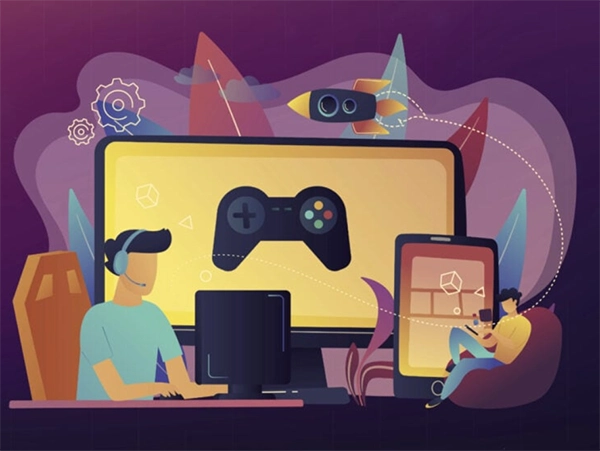
The video game market has been growing continuously over the past few years, because over 90% of children older than 2 years are playing video games more than ever before. Although video games are fun, it also comes with several online risks, such as exposure to inappropriate content, excessive screen time, and interacting with strangers online.
To prevent these, developers can implement parental controls and safety features.
Game developers can help children by building a safer digital environment with the help of parental tools and creating responsible game design for children. This article provides all the information on how a game developer can build a safe digital environment.
Table of Contents:
- Why Parental Controls are Essential in Modern Gaming
- How Game Developers Influence Kids’ Online Safety
- Key Parental Control Features Developers Should Include
- Role of Game Design in Preventing Digital Risks
- How Developers Can Support Parents with Better Control Tools
- Conclusion
- Frequently Asked Questions
Why Parental Controls are Essential in Modern Gaming
Parental controls are very important in today’s gaming world as these tools help parents manage what their children can see and do while gaming, making the experience safer and more controlled.
Modern games usually include online features, for example, in-game purchases, multiplayer modes, and chatting. While these features make games more exciting, they also open doors to many risks, such as inappropriate content, spending too much money, or talking to strangers.
Parental controls help reduce these risks by allowing guardians to:
- Limit and restrict game access and only provide games based on their age, so children only play age-appropriate content.
- To maintain a healthy balance between gaming and other activities, parents can set a time limit on devices.
- Parents are allowed to control or restrict in-game purchases to prevent financial losses.
- They can manage who their children can talk to, keeping children safe from strangers.
- The feature of filtering inappropriate content helps parents so that children are not exposed to harmful material.
Fun Fact – The global gaming industry generates more profit than both the music and movie industries.
How Game Developers Influence Kids’ Online Safety
According to Common Sense Media, kids spend a lot of time playing online games. They play 38 minutes on a daily average. This shows that gaming has become a regular part of a child’s daily activities. Because of this consistent use, even small risks in games can have a bigger impact over time. Developers need to think about safety at every step while building the game.
Designing Age-Appropriate Content
While designing a game, developers should make sure that it is suitable for the right age group. This means children will only see content that matches their age group and understanding. Developers should avoid using adult, violent, or scary themes so kids can play without being exposed to any inappropriate content.
The game should be designed in a simple, fun, and safe way to help parents easily choose the right game for their kids
Safe Interactions
Online interactions are a big part of online games. In multiplayer games, children can talk or chat with strangers, which creates the risk of bullying, inappropriate messages, and scams.
Developers should add protections like limiting chatting to friends only and a few other chat filters. There should also be easy options to block or report bad behaviour.
Implementing Built-In Safety Features and Restrictions
Game developers should add some built-in features to games so parents don’t have to depend on extra apps. These features can include parental controls that let parents set limits on screen time, restrict certain content, control who their child can interact with, and manage in-game purchases. And the settings should be simple and easy to use.
Key Parental Control Features Developers Should Include
To build a safer gaming environment, developers should add some parental control features to games. These are some features they should include –
- Age-based restrictions – Games should allow parents to enable filters based on their children’s age to avoid violent or unsuitable content.
- In-game purchase control – Password protection or approval request for purchases can prevent children from unauthorized or accidental spending.
- Screen time limit – With this feature, parents are allowed to set a daily or weekly time limit. Developers should include this to help children maintain a healthy, balanced life.
- Communication control – Parents should be able to control who their children interact with by restricting chat settings to friends only.
Role of Game Design in Preventing Digital Risks
The way a game is built can either reduce risks or increase them without knowing. By making smart and responsible design choices, developers can create a gaming environment that is both fun and secure for young users.
- The game design should be clear, simple, and child-friendly so children can understand it easily.
- Games shouldn’t be played for long periods, so developers should add some reminders or breaks for safe and healthy gaming.
- The reward system should be focused on creativity, not on spending, so children are not pressured to overspend.
- The design should limit the collection of personal data; they should only have access to the data that they need.
How Developers Can Support Parents with Better Control Tools

Game developers can make it much easier for parents to protect their children by providing simple and effective control tools. These should be built directly into the games so parents don’t need extra apps or software.
Dashboards
Dashboards are simple control panels that show all important gaming details in one place. They help parents quickly understand their child’s activity without searching through multiple settings.
The dashboard shows information like total screen time, in-game spending, most-played games, and interaction history. This helps parents easily monitor habits and make decisions on time limits and safety.
Alerts
Alerts are instant notifications that help parents to keep informed about important actions in real time. Alerts act as a quick warning system. Parents can receive these alerts when a child makes an in-game purchase or reaches their screen time limit.
These alerts help parents to respond quickly and manage potential risks as soon as possible.
Customizable Settings
Customizable settings allow parents to adjust controls based on their child’s age, comfort level, and needs. Parents are allowed to set a specific time limit, manage spending permission, and control chat access.
These settings also help parents to set content limits based on their child’s age so their children don’t encounter any violent or inappropriate content.
Conclusion
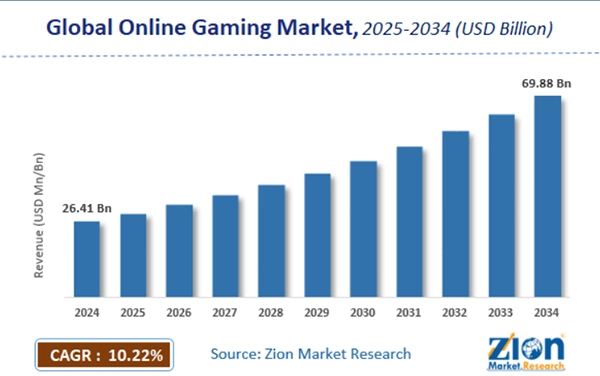
This chart shows the expected growth of the gaSming industry till 2034.
The reports from Mordor Intelligence show that in 2025, the video gaming industry’s global worth was USD 289.73 billion, and it will grow to around USD 326.47 billion in 2026. This growth is also creating new career opportunities for those interested in a full stack developer course or a full stack Java developer course, especially in game and app development.
Game development is not just about creating fun and engaging experiences; it is also about ensuring that these games and experiences are safe for children. In creating a safe digital and gaming environment, the developer plays a major role.
Adding features like parental control, dashboard, alerts, and designing age-appropriate content reduces the risks of potential harm. When safety is built into the core foundation of game design, children can enjoy gaming without being exposed to unnecessary risks, and parents can feel more confident about their child’s online experience.
The gaming industry’s future does not depend solely on innovations but also on how responsibly developers protect the players who shape it.
Frequently Asked Questions
What is the role of game developers in safe gameplay?
Why are parental controls important in games?
Parental tools help parents in controlling online spending, managing screen time, restrict inappropriate content to ensure a safe and healthy gaming experience.
How can game design help in reducing digital risks?
Good game design reduces digital risks by adding breaks during games, limiting data collection, and promoting safe gaming habits.
What features should parental controls include in modern games?
Parental controls in modern games should include features like age-based content filtering, screen time limits, in-game purchase control, and chat restrictions.
 Divya Kakkar
Internet Content Writer
About article
The author of this article Divya Kakkar, an Internet Content Writer at Saferloop, brings practical experience and industry knowledge to the subject.
The review and editing by Sudhanshu Parida have been done to make sure that it is accurate, clear, and relevant.
At Saferloop, we are determined to provide high-quality, well-researched, and updated content. To understand further how we produce and revise our articles, please refer to our Editorial Guidelines.
Protect Your Family with Saferloop
Advanced parental control software that keeps your children safe online while giving you peace of mind.
- Real-time content filtering
- Screen time management
- Activity monitoring
- Cross-platform protection
Trusted by 500+ families