

Ethical AI make sure that AI is getting used safely and responsibly. It is not misleading or spreading wrong information, and people should not blindly trust it.
×
Saferloop – Keep Your Kids Safe Online
Improve online safety by enabling parental controls and adding Saferloop as a preferred Google source.
Why Ethical AI Usage Is Crucial for Kids to Learn in 2026
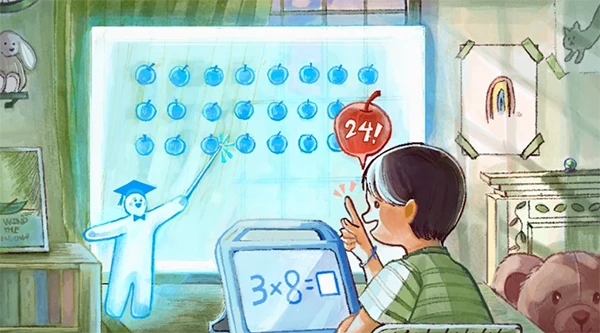
The growth of Artificial Intelligence has transformed modern life, from business to how people interact with technology. It has become a primary starting point to gather information, as 32% of users now run to AI for knowledge.
Using AI is easy; that’s why around 59% of children use AI to search for facts and information. Even if it is just homework help or a question that is roaming in their mind. At the same time, a few of them don’t really know how to use AI or what its limitations are. AI systems can sometimes produce incorrect, biased, or overly simplified answers, and kids are unable to verify that information.
That’s where the real concern starts. Kids are trusting AI outputs without questioning them, sharing information without thinking twice. This article helps parents and children understand what ethical AI is and how to use it safely.
Table of Contents
- What Is Ethical AI and Why It Matters for Children
- How Kids Are Interacting with AI in Everyday Life
- Risks of Unethical AI Usage for Kids
- Benefits of Teaching Ethical AI Practices Early
- Role of Parents and Educators in AI Ethics Education
- Conclusion
Table of Contents:
What Is Ethical AI and Why It Matters for Children
Ethical AI is basically about using artificial intelligence in a way that doesn’t mislead, harm, or unfairly influence people with wrong or biased information. But the issue is that AI doesn’t work like the human mind; it generates answers based on the pattern of data. This means AI can sound confident but still provide wrong information.
Since children are still learning about AI, they may believe the answers AI provides are correct. That’s why ethical AI is important for kids.
- Ethical AI helps children learn that AI is just a tool, not something that knows everything.
- When children know how AI works, they start checking things twice instead of trusting the first answer they get.
- Teaching AI ethics helps children think on their own without relying on AI too much.
- It also helps them avoid copying AI answers directly for schoolwork without understanding them.
How Kids Are Interacting with AI in Everyday Life
Children today are using AI more often than many parents realise. Some students use AI tools to help with their homework, explain difficult topics, or summarise chapters before exams.
Others use it for fun, like generating images, asking random questions, or getting ideas for stories and projects. Many also use an AI flashcard generator to revise lessons quickly before tests.
AI is also built into many apps children already use every day, including:
- YouTube recommendations
- Voice assistants like Siri and Alexa
- Search engines
- Study apps and online learning platforms
- Social media filters and content suggestions
- Writing and grammar tools
Risks of Unethical AI Usage for Kids
For many children, using AI now feels as normal as using Google once did, and it can definitely make learning easier and faster, but children also need to learn that AI is not always accurate or safe. AI tools sometimes make mistakes, and children may not notice them.
Here are some risks of unethical AI usage for kids –
- When kids start depending on AI too much for every little task, they stop thinking and trying to solve problems on their own. This can affect their creativity, problem-solving ability, and confidence, too.
- Children sometimes share their personal information with AI tools without knowing the consequences of this. This data can be stored or used later by AI.
- The internet is full of mixed information, and AI provides answers based on that information only, so it can be wrong, biased, or inappropriate.
- Some children use AI for their school homework and just copy the answers without acknowledging them at all. By doing this, they may stop understanding and learning subjects on their own.
Benefits of Teaching Ethical AI Practices Early
Teaching kids how to use AI in the right way early on really changes how they interact with technology later. It will help them recognise it better and not get dependent or careless with it.
When they learn the usage of AI, they will start thinking and verifying before trusting every detail or answer it provides. It also encourages better learning habits, such as using tools like ChatGPT-proof assignments that promote independent thinking instead of direct copying.
Responsible Use
When kids use AI responsibly, they realise that AI is just a tool and they shouldn’t rely on it. They realise that AI is helpful, but it is not meant to replace their own thinking.
So over time, they will start using it more carefully and think twice before sharing their personal information. They will still use it for small things and do the actual learning part on their own.
Critical Thinking
At first, many kids just trust whatever the AI says because it sounds smooth and confident. But with parental guidance, they will start questioning its originality. This changes how they learn.
Instead of depending fully on one answer, they start comparing, checking, and thinking a bit deeper. They won’t treat AI like a final authority anymore and will start trusting their own judgment more.
Digital Awareness
The children start to acknowledge that not everything online is true. They will realise that the videos or posts they see are based on their online activity. Whatever they see online isn’t random; they will start to recognise the pattern, so rather than scrolling blindly, they will start watching useful content.
Pro Tip – Parents can encourage kids to use AI as a “helper” to understand a topic better and learn from it while using their own thinking to learn.
Role of Parents and Educators in AI Ethics Education
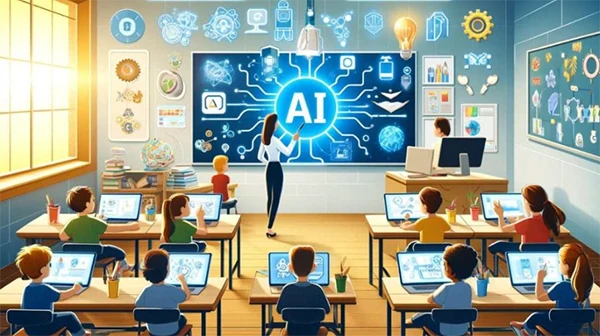
Kids don’t really figure out how to use AI in a balanced way by themselves. Most of the time, they just copy from it. That’s why parents and teachers should guide children so that they don’t depend on AI blindly.
- Parents and teachers can teach children that AI is just a tool, and it could sometimes provide wrong or biased information. So they become a bit careful and double-check the answers they got.
- When kids tell them the answer they got from AI, parents or teachers can ask them why they think it is right and what they understood from it. This can stop children from copying everything without understanding it.
- They should guide children on what information is safe to share and what should not be shared. This includes teaching them to avoid sharing personal information.
- Educators can set some rules about how children can use AI in their homework to encourage critical thinking and problem-solving ability in children.
Conclusion
As AI becomes a regular part of learning and daily life, kids need to know how to use it safely. With the right guidance from parents and educators, children can understand that AI is just a tool, and they can still think and solve problems on their own and build strong learning habits.
When children realise how AI works, they become more careful about the answers they get. They also start thinking more deeply, asking questions, and checking information instead of accepting it immediately.
In the end, the goal is not to stop children from using AI, but to help them use it in the right way so it supports their learning, creativity, and decision-making skills.
Frequently Asked Questions
What is ethical AI?
Why should children learn about AI ethics?
AI ethics helps children build good learning habits and use AI in the right way. It also teaches children that they shouldn’t copy everything blindly from AI without acknowledging it.
What are ChatGPT-proof assignments?
These are assignments made so students have to think and write answers themselves. They cannot be fully solved by AI copying.
 Divya Kakkar
Internet Content Writer
About article
The author of this article Divya Kakkar, an Internet Content Writer at Saferloop, brings practical experience and industry knowledge to the subject.
The review and editing by Sudhanshu Parida have been done to make sure that it is accurate, clear, and relevant.
At Saferloop, we are determined to provide high-quality, well-researched, and updated content. To understand further how we produce and revise our articles, please refer to our Editorial Guidelines.
Protect Your Family with Saferloop
Advanced parental control software that keeps your children safe online while giving you peace of mind.
- Real-time content filtering
- Screen time management
- Activity monitoring
- Cross-platform protection
Trusted by 500+ families