
Ans: Doxxing is not a crime in the US. But sharing someone’s private information, harassment, and stalking them without their permission is a crime, leading to arrest and penalties.
×
Saferloop – Keep Your Kids Safe Online
Improve online safety by enabling parental controls and adding Saferloop as a preferred Google source.
What is Doxxing? Meaning, Types, Parenting Tips, and Is It Safe for Kids?
You may be unsure of what is doxxing when you see people using this word on social media platforms. It is a situation where scammers leak someone’s private information (name, address, and contact) online without their permission.
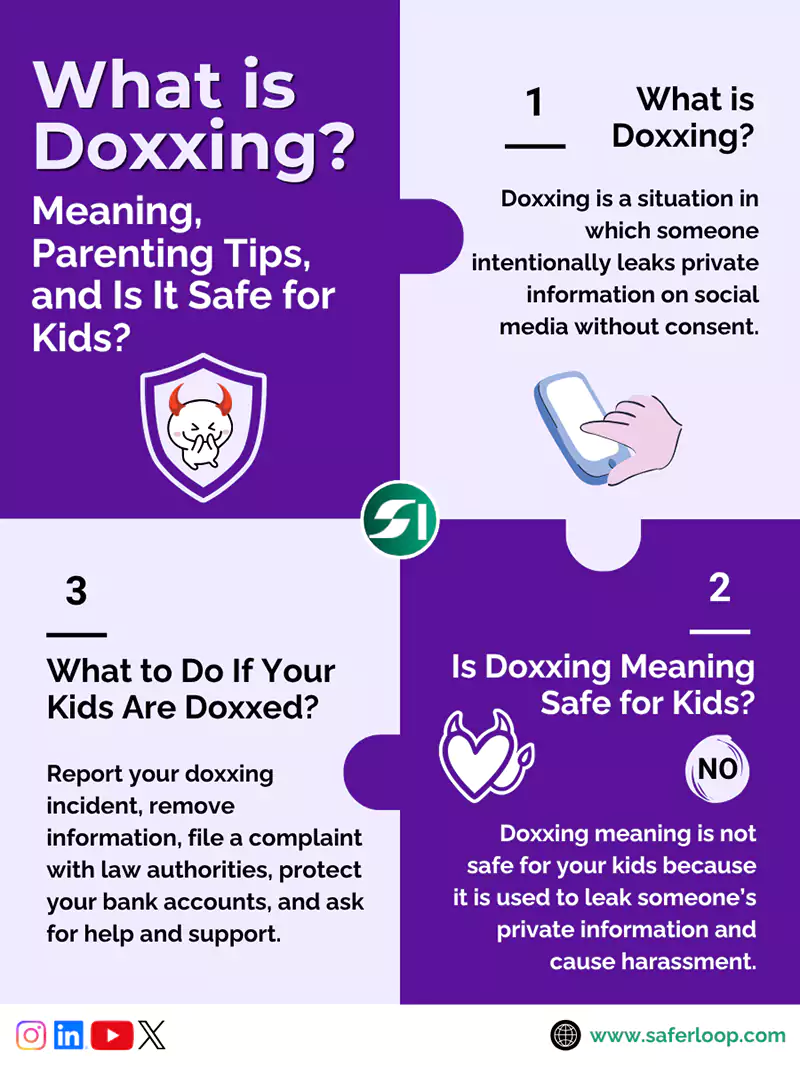
This indicates that it is not safe for your little ones to engage in dangerous activities. That’s why, here, I have compiled detailed information on doxxing meaning, types, safety tips, and how to safeguard children.
Let’s stay ahead of this article!
Quick Answer:
Doxxing is a serious crime that violates someone’s privacy and safety. It is a situation where doxxers leak sensitive information publicly or on social media without your consent, causing harassment and threats.
Table of Contents:
What is Doxxing?
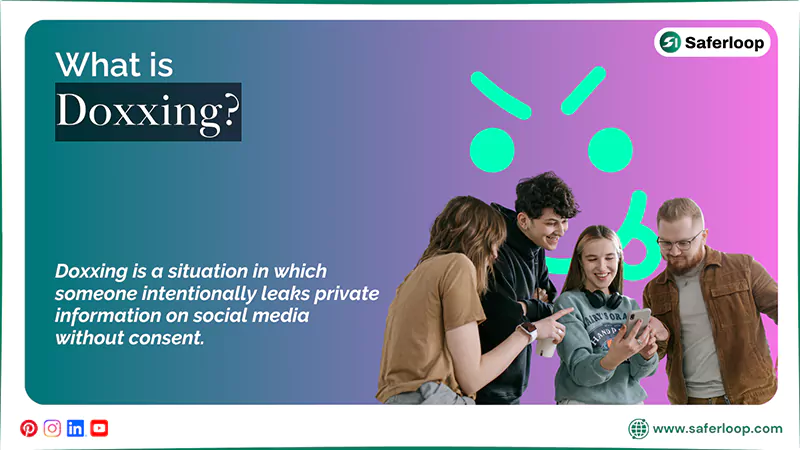
Doxxing is a situation in which someone intentionally leaks private information on social media without consent. It can also be written as “Doxing.” This includes your phone number, email address, photos, videos, and much more.
- It is used to harass, revenge, shame, intimidate, ragebait, and harm the victim online or in person.
- Hackers mostly use doxxing meaning to steal and sell someone’s sensitive information to a third party to make enough money.
- Due to increasing dependence on digital platforms, this method is used on online platforms to cause injury.
This indicates that you and your children should take essential precautions while surfing the internet.
Is Doxxing Meaning Safe for Kids?
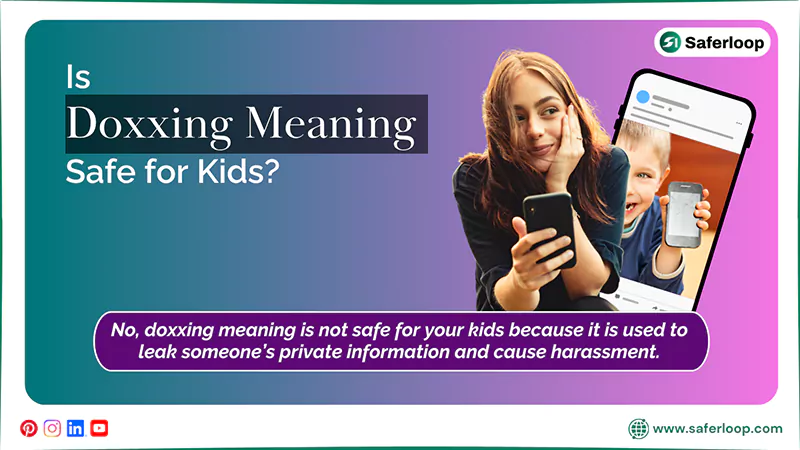
No, doxxing meaning is not safe for your kids because it is used to leak someone’s private information and cause harassment.
If your children use this method to publicly share their friends’ personal information, they may unintentionally violate social media etiquette. For example, leaking your friends’ photos without their permission can make them socially embarrassed and ruin your friendship.
This signifies that parents should prevent their little angels from using the term doxing meaning. You can also restrict the use of other harmful slang terms, like KYS and 420 friendly.
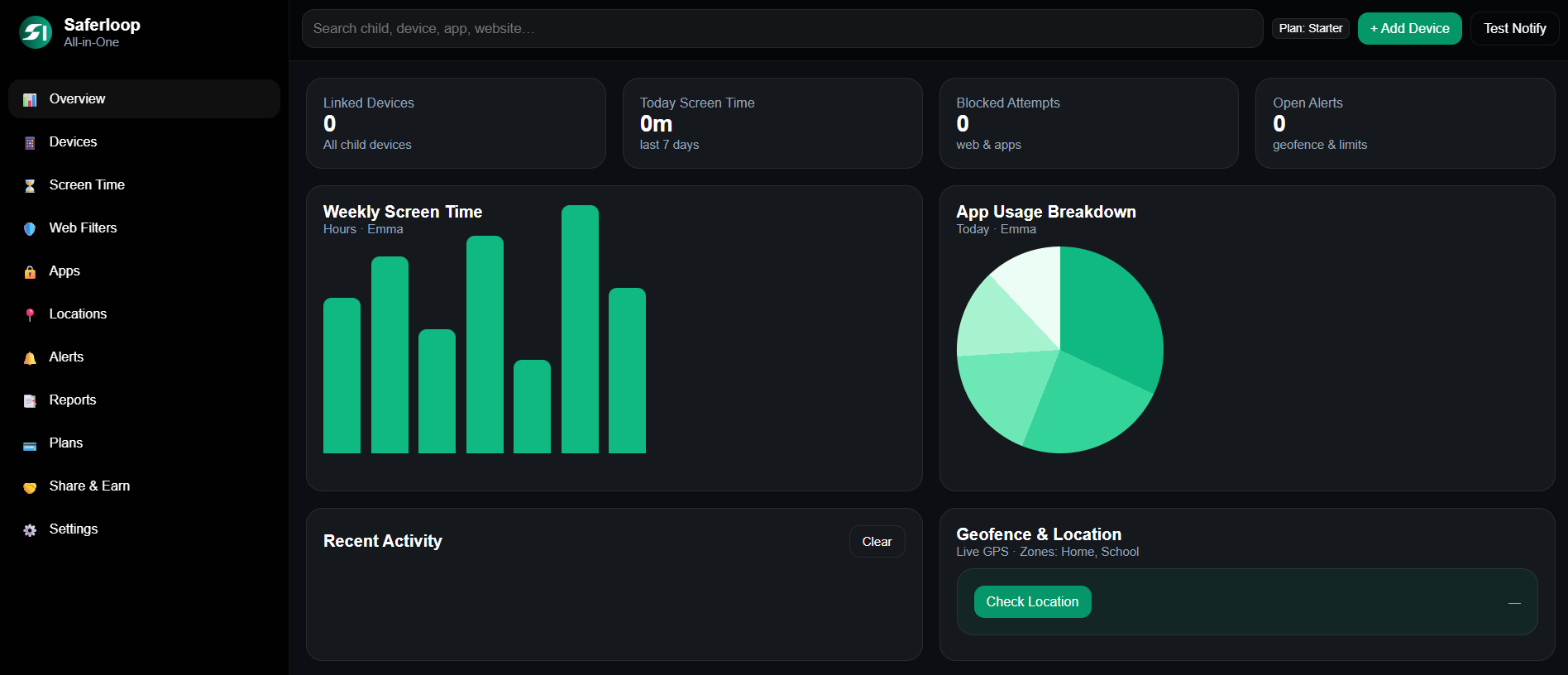
I suggest you install the Saferloop parental control software to enhance your kids’ online safety and privacy. It offers various safety features, such as:
- Monitor Online Activities: By setting the software, you can track your children’s browsing data, YouTube history, and more to have full control.
- Screen Time Limits: You can set screen time limits to decrease phone usage time and encourage healthy offline habits.
- Location Tracking and Geofencing: It helps you to track your kids’ real-time location and receive geofencing alerts.
- Emergency Alerts, SOS Updates, and Reports: As a parent, you can receive emergency alerts, SOS updates, and weekly reports to evaluate your child’s online behavior.
- Filter Content and Apps: You can remove all dangerous and X-rated content and apps from your children’s devices to create a safe digital environment.
- Track Calls and Messages: The software also allows you to keep track of incoming and outgoing calls and detect messages from your own smartphone.
Plus, it provides Saferloop safety checkup extension and AI version to solve your digital parenting issues and add security to your kids’ smart devices.
Types of Doxxing You Should Be Aware of
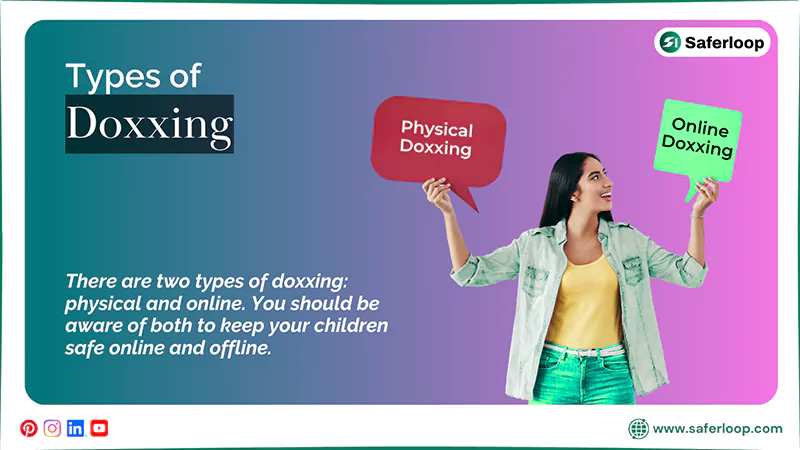
There are two types of doxxing: physical and online. You should be aware of both to keep your children safe online and offline.
Let’s take a look at these methods to understand them further.
1. Physical Doxxing
Physical doxxing is executed offline to take pictures of someone’s property, stalk them in person, and access their paper records intentionally. You can also doxx someone through GPS tracking devices to keep pace with their activities.
2. Online Doxxing
Online doxxing is executed online to collect personal information through digital platforms. It includes stalking posts and stories on social media and hacking home addresses to damage someone’s public reputation and business.
Interesting Fact:
You can create Google alerts to receive instant notifications about strange activities. For example, if your email address, phone number, and name have appeared on new websites, you will get alerts immediately.
After understanding what is doxxing, its types, and how it is unsafe for your little ones, you should skim through the next section to figure out the punishment for this crime.
Is It Illegal to Dox Someone?
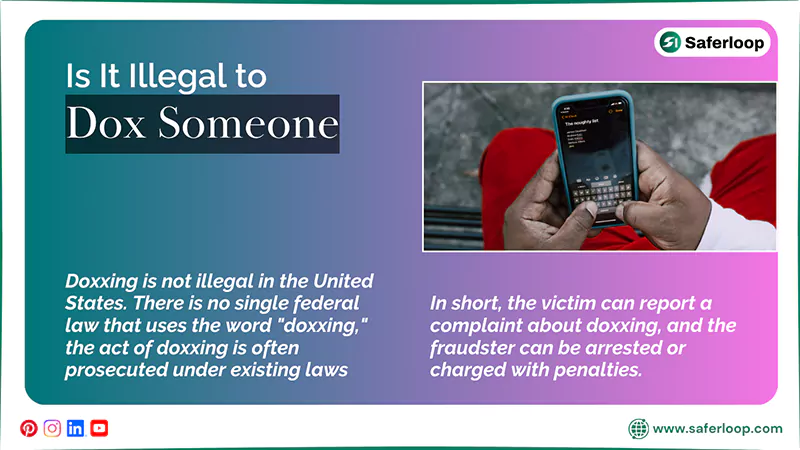
Doxxing is not illegal in the United States. According to the Council of State Governments, three states, Alabama, California, and Illinois, describe it as a standalone crime and impose legal penalties. While there is no single federal law that uses the word “doxxing,” the act of doxxing is often prosecuted under existing laws if it involves stalking, harassment, incitement of violence, identity theft, and extortion.
If someone doxxes a government employee in the US, it is considered a federal offense because the information is revealed without the victim’s permission. In some other countries, if sharing other people’s sensitive information can lead to consequences, it is only treated as a crime.
In short, the victim can report a complaint about doxxing, and the fraudster can be arrested or charged with penalties.
Also Read: What’s MB Mean in Text? Examples, Usage, and Is It Safe for Kids?
How Should Parents Protect Children from Doxxing?
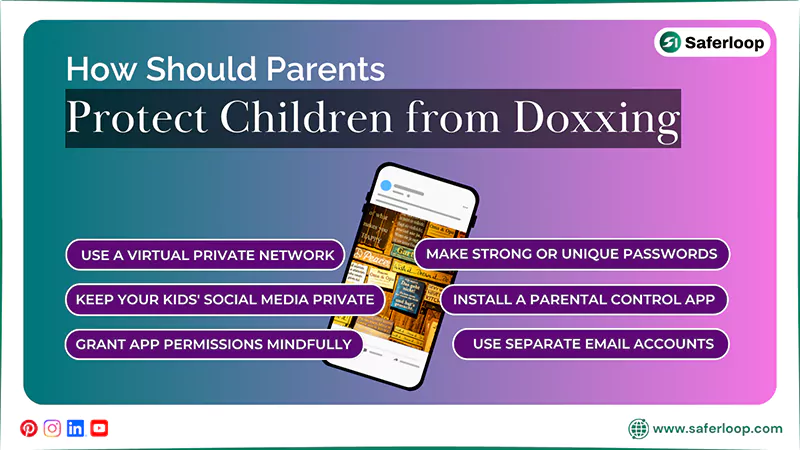
As a helicopter parent, you should use a VPN, keep social media private, create a strong or unique password, install a parental control app, and create a separate email address.
Here, I have mentioned some advanced tips to help you protect children from dangerous activities.
1. Use a Virtual Private Network
You can use a Virtual Private Network (VPN) to shield your kids’ IP addresses from hackers. It helps you prevent IP address tracking to access the physical location and protect the system from getting infected by viruses and malware.
2. Keep Your Kids’ Social Media Private
Keeping your children’s social media accounts private is the best way to prevent them from being doxxed. As you know, cyberbullying and predatory risks are becoming more common on social media.
3. Make Strong or Unique Passwords
Use a strong and unique password that combines symbols, letters, and numbers, making it difficult for hackers to hack your accounts. It helps you to protect your online accounts from hackers and safeguard your personal information.
4. Install a Parental Control App
You should install a trustworthy and best parental control app, like Saferloop, to restrict dangerous slang terms and block adult content. It provides safety to your kids’ online platforms and devices.
5. Use Separate Email Accounts
Create different email accounts for social, professional, and personal work. Using a separate email address helps you to secure your kids’ safety and privacy. For example, you can use spam email to access an offer or a subscription, and your personal emails can be used for social media access.
6. Grant App Permissions Mindfully
When you sign in to new websites or apps, you blindly grant permissions to access services, increasing the chance of information leakage. So, you need to grant appropriate permissions to trustworthy sites for security and privacy.
What to Do If Your Kids Are Doxxed?
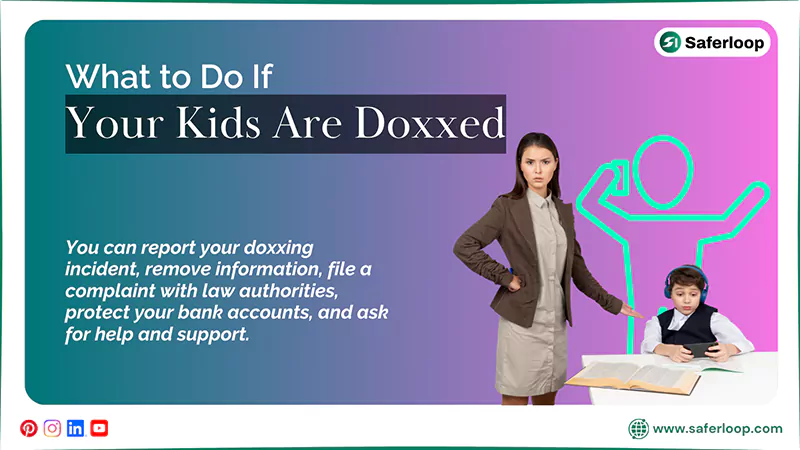
You can report your doxxing incident, remove information, file a complaint with law authorities, protect your bank accounts, and ask for help and support.
Here are the following tips you can follow to protect your children from being doxxed.
1. Report Your Doxxing Incident
If you and your kids are doxxed on a specific platform, you should report the incident to that website. You may be thinking about the steps to report the doxx. Just go through the terms and conditions, follow the steps mentioned on the page, and save it offline for later use.
2. Remove Information
You can also request information removal from the domains of the government agencies. For example, if someone leaks your personal data, many countries allow you to request removal after you submit solid proof of doxxed information. It gives the right to keep your information private.
3. Complaint to Law Authorities
When a doxxer intimidates you physically and emotionally, you should file a complaint with the law authorities to take immediate action. To protect yourself first, you should run to your local police station or dial an emergency number.
4. Protect Your Bank Accounts
If doxxers leak your financial details publicly, your priority should be to contact your banking institutions. Then, they cancel your debit and credit cards to protect your hard-earned money and issue new financial cards.
5. Ask for Help and Support
Doxxing is a serious concern and affects your emotional health. So, it is the best way to ask for help from your loved ones because you don’t have to deal with it alone. Also, you can take advice from therapists and legal advisors.
Also Read: Tuff Meaning: Examples, Uses, and Tips for Parents to Protect Kids Online
Wrapping Up!
Overall, doxxing meaning is not safe for your innocent children. This indicates that you should prevent them from using this word or engaging in harmful activities. You can also install the Saferloop parental control software, use VPN, different email addresses, and strong passwords to keep your kids safe online.
I hope the information mentioned in this write-up helps you understand what is doxxing. Always remember to stay vigilant to keep yourself and your little ones safe.
Author’s Note:
When I searched what is doxxing, I was surprised to see that it is a serious crime and not safe for kids because being doxxed can damage their emotional status and public image. Thus, I recommend you use a VPN, MFA, different email addresses, and create strong passwords.
On the other hand, you can install the Saferloop parental control software to enjoy its advanced AI-powered features to protect your kids online. It truly gives you peace of mind about digital parenting issues.
Frequently Asked Questions
Q: Is doxxing a crime in the US?
Q: Can I sue someone for doxxing?
Ans: Yes, you can sue someone for doxxing in many countries because it can damage your privacy, reputation, and emotional health.
Q: Can you protect me from doxxing?
Ans: You can protect yourself by using a VPN, creating strong passwords, installing a parental control app, using a separate email address, and granting permissions mindfully.
Q: What is dox slang for?
Ans: Doxing is the online slang used to describe a situation in which someone leaks private information without other people’s consent.
 Aditi K
Freelance Cybersecurity Writer
About article
The author of this article Aditi K, an Freelance Cybersecurity Writer at Saferloop, brings practical experience and industry knowledge to the subject.
The review and editing by Vinithra Karunanidhi have been done to make sure that it is accurate, clear, and relevant.
At Saferloop, we are determined to provide high-quality, well-researched, and updated content. To understand further how we produce and revise our articles, please refer to our Editorial Guidelines.
Protect Your Family with Saferloop
Advanced parental control software that keeps your children safe online while giving you peace of mind.
- Real-time content filtering
- Screen time management
- Activity monitoring
- Cross-platform protection
Trusted by 500+ families