

These apps are generally safe and effective for monitoring, location tracking, and restricting specific content on a child’s device.
×
How Thoughtful Design Builds Trust in Parental Control Apps
KEY TAKEAWAYS
- Understand why parents don’t trust most kids’ platforms
- Discover the trust gap created by confusing parental controls
- Learn how transparency in design earns long-term parental trust
Did you know that, as per the World Economic Forum Report 2022, almost half of the youngsters aged between 13 -17 years are online nonstop? This is one of the reasons that parents these days are really worried about their kids’ safety and constantly rely on parental control apps.
But let’s be real, parents don’t love these parent control apps, and there are genuine reasons behind it, like these apps promise “safety,” “monitoring,” and “control.” Instead of giving them relief, these apps end up making them more anxious and confused, mainly because of their design.
This is where thoughtful design steps in, not the one with flashy design, not the one with a million useless features, but the one that gets that parents are nurturers first, not detectives. Let’s continue with this article and understand how thoughtful design builds trust in parental control apps.
Why Don’t Parents Trust Most Kids’ Platform
Many parents feel that kids’ platforms and apps are:
- Too Addictive: Endless scrolling, autoplay videos, and constant notifications
- Too Secretive: unclear about what data they collect and how they use it
- Too Complicated: Settings are buried deep, full of technical words, and hard to understand
Because of this, parents often worry that they are missing something important, feel guilty for not setting things up ‘properly’, and end up either over-restricting or using controls at all.
When an app feels confusing or tricky, parents assume that there is something to hide. That’s where the trust gap begins.
The Trust Gap Created by Confusing Parental Controls
Many parental control tools try to do everything:
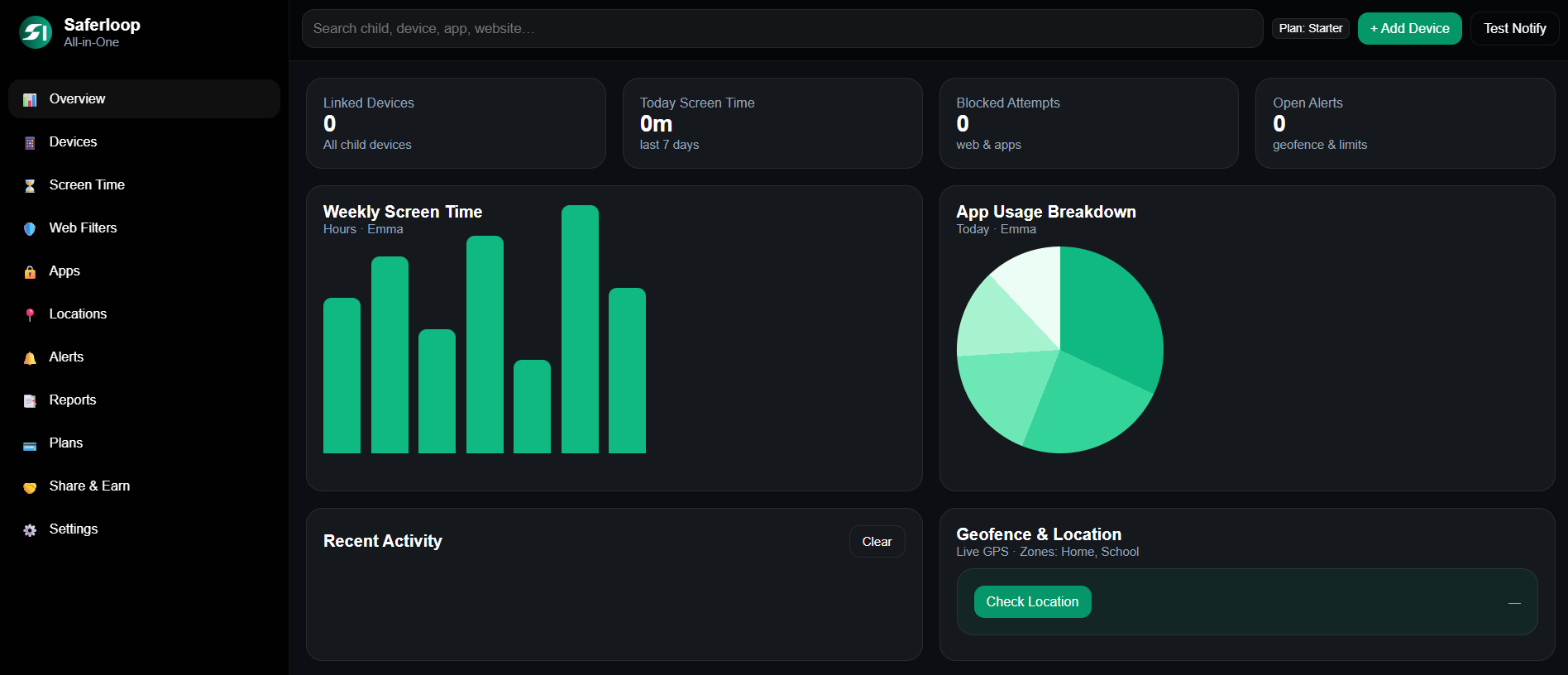
- Screen time limits
- App blocking
- Location tracking
- Web filters
- Activity reports
These are helpful, but when all of this is thrown at a parent in one go, it can feel like learning rocket science or designing a netflix logo instead of using a simple app, some common examples of it are:
- Too many options on one screen (parents don’t know where to start)
- Technical language (words like “permission”, “policy”, or “device level restriction” with no explanation)
- Hidden Consequences (a setting is turned on, but the app does not clearly show what will actually happen)
When parents are unsure, they start questioning, “Is this really safe?” “What is this app doing in the background?” “What exactly can my child see or not see?” If an app can’t answer these questions clearly through its design, trust slowly disappears.
Designing Parental Control Without Crossing the Line
The most important things about parental control apps are a good design that protects the child without becoming creepy or overcontrolling, and thoughtful apps respect three things: child privacy, parents’ needs for clarity, and the family’s values and choices.
Some simple design principles that can help in this are very simple, like:
- Show, Don’t Hide: making it obvious what is being tracked (like screen time or apps used) and what is not being tracked (like private messages if the app chooses not to read them)
- Explain Each Control in Simple Language: instead of showing “Enable web content restrictions,” show “block websites with adult or violent content”
- Offer Levels Not Just Switches: “Light monitoring”, “balanced”, and “strict” modes with short explainer lines under each
In this simple way, parents can feel they are choosing the level of control and not being tricked into spying.
How Thoughtful UX Reassures Parents Instead of Overwhelming Them
Parents already have enough stress. They don’t need fifteen notifications a day screaming “ALERT ALERT!” or red warning signs every time their child spends ten more minutes on a game. That’s anxiety, not safety.
Good UX reassures quietly. It uses calm language, gentle nudges, and clear summaries instead of long, scary reports. For instance, “screen time increased this week” is way better than “your child is using the phone TOO MUCH”. Tone matters. Parents who feel calm using an app will trust it. Parents who feel panicked will blame it.
When Transparency in Design Earns Long-Term Parental Trust
Trust does not come from a long privacy policy. It comes from how the app behaves on a daily basis. It’s a part of the experience. Thoughtfully designed apps simply make the parents understand what data is collected, why it is collected, and make it easy to turn off and change controls.
Parents trust apps that say “here is what we do, here is why, and you are in control”; they do not trust the apps that act mysterious, make silent changes, or bury settings under a ton of menus. In simple words, transparency builds respect, which builds trust, which lasts way longer than any flashy feature or design.
Is it safe to use the parental control app?
Can a better UX increase parent trust in parental control apps?
Yes, parents feel more confident using the apps that use clear design, honest communication, and simple manuals.
How does design help parental control apps?
It makes control simple, transparent, and easy for parents to manage.
Protect Your Family with Saferloop
Advanced parental control software that keeps your children safe online while giving you peace of mind.
- Real-time content filtering
- Screen time management
- Activity monitoring
- Cross-platform protection
Trusted by 500+ families