

They stand for alone, back and crib. Babies need to sleep on their backs on a flat surface without pillows or toys.
×
Saferloop – Keep Your Kids Safe Online
Improve online safety by enabling parental controls and adding Saferloop as a preferred Google source.
Safety Starts Before the Screen: A New Parent's Guide to a Safer Home for Baby
Becoming a parent is exciting, but it also comes along with various responsibilities. One should think about safety in ways they have never imagined before. From considering easy-to-lay sleep space to keeping feeding equipment clean, small decisions can make a real difference that is usually visible in the long term.
Although online safety and screen tips are crucial as the child grows, the first steps begin at home only.
Keep reading this post to explore things parents need to consider before the screen to make a safer home for their baby.
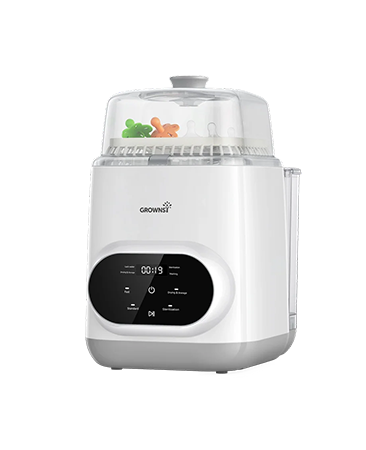
Table of Contents:
Safe Sleep Comes First
Sleep is the most prevalent safety topic in the first year. Health experts around the world can settle on a few simple rules, often called the ABCs of safe sleep:
- Alone – The baby sleeps in their own sleep habitat, with no pillows, bumpers, toys or loose cover-ups.
- Back – The baby is always set on their back to sleep, for naps and at night.
- Crib – The baby sleeps on a firm, flat surface made for infants, such as a crib or bassinet.
Many health bodies also suggest room-sharing for the first months. This demonstrates that the baby sleeps in the parents’ room, close to the bed, but on a particular surface.
What Makes a Bassinet a Smart Choice
Many parents shopping for a smart bassinet are concentrating on gadgets and apps. In reality, the smartest features are often the fundamental ones, the design tactics that make safe sleep easier to follow every night.
Here is what to search for:
| Feature | Why it helps |
|---|---|
| Firm, flat mattress that fits snugly | Refers to safe-sleep guidance |
| Breathable mesh sides | Ensures airflow and lets you see the baby |
| Bedside height adjustment | Keeps the baby close while on a different surface |
| Lockable rocking and wheels | Stays solid once the baby is asleep |
| Meet the weight limit | Tells you when it is necessary to move to a crib |
Grownsy’s 5-in-1 Rocking Bedside Bassinet is one instance of this practical model. It has six bedside height settings, a drop-down side panel, 360° breathable mesh and soothing rocking that can be locked. Its wheels lock each other, and the brand lists a maximum weight limit of 20 pounds. As with any baby product, always follow the maker’s installation and use instructions.
Clean Feeding, Healthy Start
The second everyday safety activity is clean feeding. Babies’ immune systems are still developing, and milk left in bottles or pump parts can inspire germs to grow. Health guidance implies taking feeding items apart, washing them well, sanitizing them on a regular basis (especially for young babies) and drying them fully before giving them away.
By hand, this routine can occupy a lot of time each day. A bottle washer sterilizer and dryer encompasses the steps in one countertop machine. Grownsy’s 4-in-1 model, for example, washes with 26 jets, sterilizes with 212°F steam, dries with hot air and holds items in HEPA-filtered storage for up to 72 hours, according to the brand. It will carry up to eight bottles along with pump kits and other small accessories.
The safety benefit is ongoing. Each cycle employs the same steps, and bottles are not kept wet on a rack.
Baby-Proofing the Rest of the Home
Babies start rolling, reaching and crawling sooner than many parents imagine. A simple checklist is useful:
- Anchor dressers, shelves and TVs to the opposite wall.
- Cover unused points and hide cords, including phone and tablet chargers.
- Keep blind cords tied up and unreachable.
- Store medicines, cleaning goodies and small batteries up high or locked away.
- Set up safety gates at the top and base of stairs.
- Verify smoke and carbon monoxide alarms regularly.
Where Digital Safety Fits In
Even with a baby, digital interactions start quickly. Parents are typically on their phones during late-night feeds, and babies are seeing screens from a young age. A few early actions help:
- Keep chargers and devices out of the baby’s range.
- Be delicate about sharing baby photos online, and inspect the privacy settings on your accounts.
- If you use a baby tracking device connected to Wi-Fi, change the default password and constantly keep its software updated.
- Make decisions about the screen arrangements you want your child to encounter as they evolve.
These small preferences now make it easier to build healthy attitudes about screens later. Also, explore the risks and opportunities of generative AI for kids.
Conclusion
In the end, keeping your baby safe begins with easy and straightforward habits. A suitable sleep space, thoroughly cleaned feeding tools, and a baby-proofed home serve as a crucial basis during the first months of life.
While it serves as a great safety net for kids’ care, it also helps to consider device privacy, chargers, and connected baby monitors in advance. Keep the essentials at the centre, follow trusted safety guidance, and build a routine that makes everyday parenting a little easier.
Frequently Asked Questions
What do ABCs of safe sleep represent for babies?
What are the things parents need to consider for a bassinet?
Look for a firm, flat mattress that is easy to lie on, with a stable frame and a clearly stated weight limit. Always go with the manufacturer’s instructions.
Why is cleaning baby feeding equipment important?
Leftover milk can be a home to germs. Washing, sanitising, and drying it well can help to maintain hygiene.
 Aditi K
Freelance Cybersecurity Writer
About article
The author of this article Aditi K, an Freelance Cybersecurity Writer at Saferloop, brings practical experience and industry knowledge to the subject.
The review and editing by Vinithra Karunanidhi have been done to make sure that it is accurate, clear, and relevant.
At Saferloop, we are determined to provide high-quality, well-researched, and updated content. To understand further how we produce and revise our articles, please refer to our Editorial Guidelines.
Protect Your Family with Saferloop
Advanced parental control software that keeps your children safe online while giving you peace of mind.
- Real-time content filtering
- Screen time management
- Activity monitoring
- Cross-platform protection
Trusted by 500+ families