
Backup power helps keep essential connected-home systems, such as Wi-Fi routers, security cameras, alarm systems, and smart-home hubs, operating when utility power is interrupted.
×
Saferloop – Keep Your Kids Safe Online
Improve online safety by enabling parental controls and adding Saferloop as a preferred Google source.
Why Backup Power Is Becoming Part of Smart Home Safety Planning
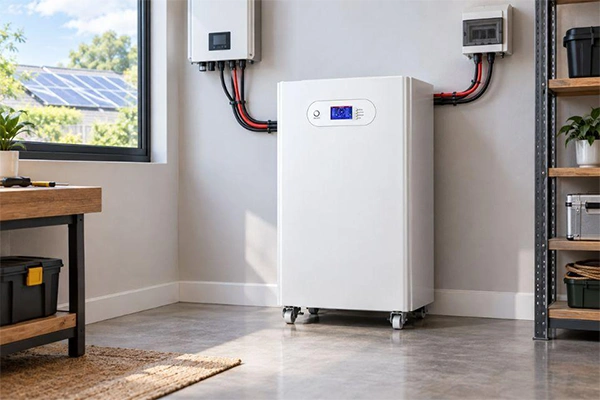
These days, everything in our homes uses electricity, not just for electric appliances but wifi, network cameras, etc., and this dependence only increases in a smart home that uses smart cameras and locks, alarms, doors, and many more things. If a smart home loses power, then the home will completely shut down and literally nothing will function.
In a home like this, having a back up is a must and something that can support the home equally. A specifically made battery can keep the load stable in an emergency.
Lets see why a battery is a vital part of an smart home.
Table of Contents:
- Smart Homes Create New Dependence on Continuous Power
- Backup Planning Starts With Critical Connected Loads
- How Battery Storage Supports Smart Home Resilience
- Why Outage-Prone Markets Are Adopting Home Energy Storage
- Battery Capacity Is Only One Part of Backup Performance
- Monitoring and Communication Matter in Connected Energy Systems
- What Installers Should Verify Before Recommending a Battery
- Why the Inverter and Backup Architecture Matter
- A Practical Framework for Smart Home Backup Planning
- What This Means for Solar Installers, Distributors and OEM/ODM Buyers
- Conclusion: Backup Power Is Becoming Connected-Home Infrastructure
- Frequently Asked Questions
Smart Homes Create New Dependence on Continuous Power
A light goes out, an appliance stops, and normal operation resumes when the grid returns. Traditional homes can often tolerate short power interruptions without major disruption. Connected homes have a different dependency structure because one router or network gateway may support cameras, smart locks, alarm systems, thermostats, and other devices.
A security camera may have an internal battery yet lose remote connectivity if network equipment is unavailable. A smart lock can remain physically usable while app-based functions become inaccessible. An outage can therefore affect more than the device that loses power. Home-office users can also lose internet connectivity even when their laptops have battery power.
For installers, it is useful to identify the shared infrastructure behind connected devices. Keeping networking equipment and selected control systems powered can preserve several functions simultaneously without requiring the entire property to operate normally.
Backup Planning Starts With Critical Connected Loads
Don’t assume every appliance needs backup just because you’re installing a battery a practical backup strategy starts with identifying which loads genuinely need to stay on. Instead, design the system around a defined group of essential circuits and devices.
Potential priority loads include:
- Smart-home hubs and access-control devices
- Refrigerator and selected lighting
- Wi-Fi router and modem
- Security cameras and alarm equipment
- Home-office networking equipment
This approach can materially change battery sizing. A router, camera system and monitoring hub may consume far less power than an electric cooker, water heater or air conditioner. If the objective is maintaining connected-home functions during an outage, prioritizing smaller loads can make storage requirements more manageable.
The installer should also document what is excluded from backup. Clear communication prevents homeowners from assuming every circuit will remain energized.
How Battery Storage Supports Smart Home Resilience
When utility power is unavailable, battery storage can provide electrical energy, provided the system is configured for backup operation. In a solar-plus-storage installation, depending on the inverter and controls. stored energy may also support selected loads after solar production falls, depending on the inverter and controls.
The inverter converts stored DC energy into usable AC power, while transfer and backup equipment determine how selected circuits interact with the grid and storage system. The battery is only one component. A battery with substantial capacity therefore does not automatically mean every appliance or smart-home device will continue operating.
Instead, think in terms of a defined backup-load architecture. Critical devices can be connected to designated circuits, while high-demand or nonessential appliances remain outside the backup system. The expected outage duration also matters: brief interruptions and extended grid failures require different configurations.
Why Outage-Prone Markets Are Adopting Home Energy Storage
Where outages can be frequent, prolonged, or difficult to predict. Residential energy storage becomes especially valuable. importance of maintaining selected electrical loads can be increased by Extreme weather, grid constraints, infrastructure limitations, and remote locations. Growing solar adoption can further encourage homeowners and businesses to consider storage as part of energy strategy.
The Philippines provides a regional example. Buyers may need to consider solar generation, outage patterns, installation conditions, inverter compatibility, local support, and long-term service requirements together. A business evaluating a solar battery supplierthat Philippines customers can access should therefore look beyond headline capacity.
Local technical support matters when systems require commissioning, troubleshooting, replacement components, or warranty assistance. Regional procurement is consequently not simply a price comparison; practical value depends on how technical characteristics, supplier support,t and installation requirements match the deployment market.
Battery Capacity Is Only One Part of Backup Performance
Power output is expressed in kilowatts. Battery capacity is usually expressed in kilowatt-hours. A battery can store substantial energy but still be unsuitable if its discharge capability or inverter cannot support the required loads at the same time. These measurements describe different aspects of performance.
We should also differentiate usable capacity from normal capacity. Reserve settings, discharge limits, temperature, conversion losses, and system configuration can affect how much energy is practically available. Backup duration depends on both available energy and the actual load profile.
Installers should compare:
- Usable energy capacity
- Continuous power output
- Peak or surge capability
- Expected backup duration
Startup requirements can matter for refrigerators, pumps,s and other loads with motors or compressors. For distributors and project developers, this makes normalized comparison more useful than choosing a product solely because it advertises a larger kWh number.
Monitoring and Communication Matter in Connected Energy Systems
Depending on communication between the battery, inverter, and monitoring platform, smart energy-storage systems increase. Operating conditions can be monitored by the battery management system and provide information needed for coordinated operation. Depending on the equipment, interfaces such as CAN or RS485 may be used.
For installers, before purchasing equipment, confirm compatibility. Technical documentation is therefore an important part of evaluation. A battery may have the desired chemistry and capacity but still require a compatible inverter profile, communication protocol, or configuration process.
Monitoring can help users understand state of charge, charging and discharging activity, alarms, and other operating information. However, remote monitoring may not remain available during an outage if networking equipment loses power. Local controls and appropriate backup architecture remain important.
What Installers Should Verify Before Recommending a Battery
Installers should verify chemistry, usable capacity, BMS functions, certifications, warranty conditions, communication compatibility, testing procedures, technical documentation, and after-sales support. Selecting a battery manufacturer requires more than comparing prices and headline specifications. For larger projects, engineering resources and customization capability can matter as much as price.
When comparing solar battery companies, whether a supplier is an actual manufacturer, assembler, trader, or combination of these roles should be determined by buyers. They can also examine quality-control procedures, cell sourcing, production testing, and the supplier’s ability to support repeat orders.
Avepower provides a useful real-world example of the information buyers can examine. Its published capabilities include LiFePO4 energy-storage systems, smart BMS functions, and communication options such as CAN, RS485, and RS232. The company also describes a 20,000-square-meter manufacturing base, 15+ production lines and a 50+ person R&D engineering team, alongside OEM/ODM customization.
Verify these details during procurement; do not treat them as a substitute for independent technical due diligence.
Why the Inverter and Backup Architecture Matter
You can’t evaluate a battery independently of the inverter and backup architecture. The inverter converts stored DC energy into AC power; how backup circuits operate when the grid is unavailable is determined by transfer equipment and controls.
Which circuits can be included, whether automatic transfer is available, and what limitations apply during islanded operation. Installers should confirm whether the proposed system supports backup operation. Review continuous and peak inverter output against selected loads.
A battery may contain enough energy to operate a router and security system for many hours, but that benefit will not be realized if those devices are connected to circuits outside the backup configuration. System documentation should therefore identify backed-up loads and relevant operating limits.
A Practical Framework for Smart Home Backup Planning
Use a defined sequence rather than starting with battery capacity alone. A consistent planning process helps installers translate resilience goals into a workable energy-storage design.
- Identify critical loads. Determine which connected devices need continuity.
- Estimate actual consumption. Use realistic operating loads rather than maximum ratings alone.
- Define backup duration. Establish how long critical equipment should operate without grid power.
- Calculate power and energy requirements. Consider continuous demand and startup requirements.
- Confirm compatibility. Check battery, BMS, inverter, and communication requirements together.
- Verify supplier documentation. Review certifications, warranty terms, testing information, and support.
- Document the backup scope. Clearly identify which circuits receive backup power.
This process connects technical specifications with the customer’s actual objective and makes supplier proposals easier to compare.
What This Means for Solar Installers, Distributors and OEM/ODM Buyers
The relationship between backup power and smart-home infrastructure creates opportunities across the energy-storage supply chain, instead of selling storage capacity in isolation. This can also clarify customer expectations; solar installers can use critical-load assessments to design systems around genuine requirements.
Technical documentation, warranty support and inverter compatibility can become important procurement considerations. Distributors can organize product portfolios around applications such as essential-load backup, solar self-consumption, and residential resilience.
For OEM/ODM buyers, customization may include battery capacity, voltage, enclosure design, communication interfaces, branding and project-specific configurations. Manufacturers with suitable engineering and production capabilities can support these requirements when specifications are clearly defined.
Across all three groups, the principle remains the same: evaluate the complete energy-storage solution rather than treating the battery as an isolated component.
Conclusion: Backup Power Is Becoming Connected-Home Infrastructure
Modern connected homes increasingly depend on electricity for communication, monitoring, access control, security-related devices, and everyday digital services. As these systems become more interconnected, an outage can interrupt several functions simultaneously.
Battery storage can help maintain selected loads when the system is properly designed and installed. The most useful approach is to identify critical devices, calculate realistic power and energy requirements, confirm inverter and communication compatibility, and evaluate manufacturers through documented technical and commercial criteria.
This broader perspective can make residential storage projects easier to specify and explain. For solar installers, distributors, project developers, EPC partners, and OEM/ODM buyers when projects require LiFePO4 systems, communication integration, or customized OEM/ODM configurations. Manufacturers such as Avepower can be considered. Businesses with project-specific requirements can then discuss suitable system configurations, technical specifications, and integration needs directly with qualified manufacturers.
Frequently Asked Questions
Why is backup power important for smart homes?
Which smart-home devices should be connected to backup power?
Priority devices can include Wi-Fi routers, modems, security cameras, alarm equipment, smart-home hubs, access-control systems, essential lighting, and home-office networking equipment.
How much battery capacity is needed for smart-home backup?
The required capacity depends on the power consumption of critical loads and the desired backup duration. Installers should also consider usable battery capacity, inverter efficiency,y and startup power requirements.
Can battery backup maintain smart-home connectivity during an outage?
Battery backup can maintain connectivity when essential networking equipment, such as routers and modems, is connected to the backup circuit. However, internet service may still be interrupted if the wider network is affected.
What should installers consider when choosing a smart-home battery system?
Installers should evaluate battery capacity, continuous and peak power, BMS functions, inverter compatibility, communication protocols, certifications, warranty coverage,ge and technical support before selecting a system.
 Aditi K
Freelance Cybersecurity Writer
About article
The author of this article Aditi K, an Freelance Cybersecurity Writer at Saferloop, brings practical experience and industry knowledge to the subject.
The review and editing by Vinithra Karunanidhi have been done to make sure that it is accurate, clear, and relevant.
At Saferloop, we are determined to provide high-quality, well-researched, and updated content. To understand further how we produce and revise our articles, please refer to our Editorial Guidelines.
Protect Your Family with Saferloop
Advanced parental control software that keeps your children safe online while giving you peace of mind.
- Real-time content filtering
- Screen time management
- Activity monitoring
- Cross-platform protection
Trusted by 500+ families