

Using age-appropriate parental controls, keeping the conversation open, and teaching kids why the rules exist can help to keep them safe.
×
Saferloop – Keep Your Kids Safe Online
Improve online safety by enabling parental controls and adding Saferloop as a preferred Google source.
How Do You Keep Every Generation of Your Family Safe?
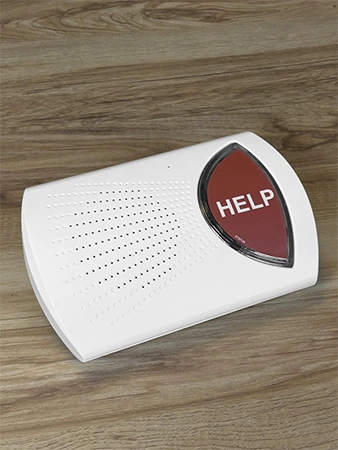
You might have noticed that every age group requires different tactics to stay safe. The same applies to families also. Where young children need proper guidance, teenagers require digital support and aged people need extra support to feel both independent and safe, such as a Life Assure emergency call button.
The good news is that the process need not feel that complicated. Just by using the right tools and tricks, desired safety can be ensured for a family.
This post shares how to keep every generation of your family safe.
Table of Contents:
Why Does Family Safety Span Every Age?
Risk changes nature with age. A toddler faces different risks than a teenager, and a teenager faces different ones than an aging parent. A single plan cannot possibly cover them all.
The needs are unique. Young children need parental oversight, teens need guidance online, and older relatives need a fast way to arrange help. Understanding those differences is the first step to real protection.
The goal is collaborative, though. At every age, the aim is the same: freedom to live fully, supported by a safety net that corrects problems early. Good safety broadens a life rather than shortening it.
Also, explore mental health services every parent should know about.
How Do You Protect Children Online?
The digital world is where kids now operate for much of their day. Securing them there matters as much as any physical precaution. A few healthy habits make a real difference.
Set clear limits. Thoughtful parental controls and open conversations about screen time keep young users safer without strict monitoring. The most effective control is always the one partnered with trust.
Watch for online mistakes. Guidance on cyberbullying helps parents catch the warning signs early. Around 1 in 5 teens reports being molested online, so knowing what to look for really matters.
How Do You Avoid Overprotecting?
Safety can tip into shutting down. Too much control can lock a child back as surely as too little. The art is finding the balance, 24/7 surveillance might irritate anyone.

Give room to grow. The mentality behind helicopter parents comes from love, but children also need space to build toughness and judgment. Confidence grows from small, overseen risks taken early.
Teach, do not just dictate. Explaining why a rule is important helps a child internalize it, so the lesson outlasts the restriction. A kid who knows the reason keeps making safe moves when no one is watching.
For approachable safety, prioritise screen time to support the primary health of the family.
How Do You Keep Older Relatives Safe?
The oldest generation must have its own safety net. As parents age, the priority varies from supervision to independence with backup. The right tools promote autonomy rather than inhibit it.
Make the home safer. Clear loose rugs, improve lighting on stairs, and add hook bars in the bathroom. Falls are the most frequent threat, impacting around 1 in 4 adults over 65 each year, and most happen at home during routine tasks.
Rely on trusted guidance. A clear plan for falls prevention turns a generic worry into a short list of concrete, cheap fixes. A single serious fall is among the most common reasons a person loses the freedom to live independently, so shaving it off early is high-value insurance.
How Does Constant Coverage Fit Together?
No one can gaze over everyone at once. The whole point of good systems is support when you cannot be there. Technology fills the empty spaces between people.
Build a thick net. A tracking alert device gives an older parent help around the clock, even during a fall or when a phone is out of range. That kind of robust, always-on backup quietly removes a huge amount of daily worry for the whole family. It also means the parent keeps their reputation, calling for help on their own terms rather than lining up to be checked on.
Mix together people and tools. Family, neighbors, and technology jointly form a net that none of them could weave alone. A teen who knows a parent is available, and a grandparent who knows help is one press away, both carry themselves with more trust than others. The result helps everyone, young and old, live boldly rather than fearfully, which is exactly what safety is supposed to buy.
What to Keep In Mind
While maintaining the security standards is essential. Here are some points to always keep in mind:
- Family safety spans every age, from infants to grandparents.
- Align the habit and the tool to each stage of life.
- Keep your children online with controls and open conversation.
- Avoid overprotecting, and let kids build resilience.
- Around 1 in 4 adults over 65 falls each year, largely at home.
- A monitored emergency button gives older relatives round-the-clock help.
Also, explore the future of proactive safety monitoring.
Protecting the People You Love
At the end of the day, keeping your family safe is not about monitoring them every second of the day. Rather, it is about evaluating what every stage of the generations requires. Treating the right age group of people with the right tricks can make them feel better.
By combining healthy habits, open communication and right usage of technology, you can help every generation to allow every generation of people to enjoy independence while ensuring the right help is always close to them when required.
Life insurance can also be an important part of a family’s long-term safety plan, especially when considering how loved ones would be financially supported after a loss. Understanding what every buyer should know about coverage, costs, and policy terms can help families make informed decisions. Placement: After the sentence “The goal is collaborative, though. At every age, the aim is the same: freedom to live fully, supported by a safety net that corrects problems early.
Frequently Asked Questions
How do I keep my children safe online?
How can I protect an aging parent at home?
By clearing hazards and improving lighting, adding a monitored emergency call button can provide them with a much higher level of protection.
What is the biggest safety risk for older adults?
Falls are the major risk, affecting around 1 in 4 adults over 65 each year. Most happen at home and can end independence quickly.
How do I protect the whole family at once?
Treat every age group differently. Combine supervision, online guidance, home safety, and a monitored alert device. Together, people and technology cover what neither could alone.
 Srikanth Panasa
Cybersecurity Analyst and Online Safety Specialist Writer
About article
The author of this article Srikanth Panasa, an Cybersecurity Analyst and Online Safety Specialist Writer at Saferloop, brings practical experience and industry knowledge to the subject.
The review and editing by Vinithra Karunanidhi have been done to make sure that it is accurate, clear, and relevant.
At Saferloop, we are determined to provide high-quality, well-researched, and updated content. To understand further how we produce and revise our articles, please refer to our Editorial Guidelines.
Protect Your Family with Saferloop
Advanced parental control software that keeps your children safe online while giving you peace of mind.
- Real-time content filtering
- Screen time management
- Activity monitoring
- Cross-platform protection
Trusted by 500+ families