

Common threats to personal safety include phishing, internet scams, malware, cyberstalking, cyberbullying, online predation, and sextortion.
×
Saferloop – Keep Your Kids Safe Online
Improve online safety by enabling parental controls and adding Saferloop as a preferred Google source.
Family Safety Isn't Just Digital: Preparing for Real-World Emergencies
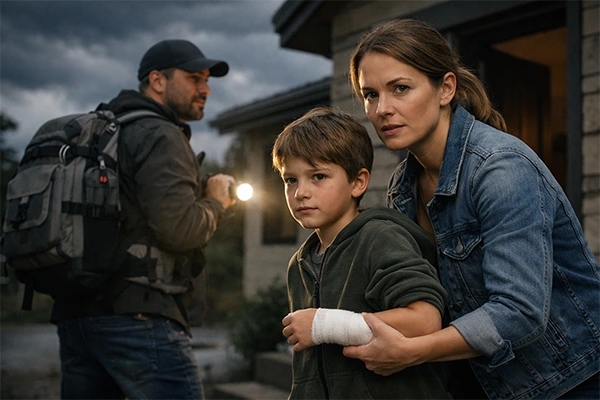
House fires have become a common occurrence across the United States, particularly amid climate change and the extravagant use of technology, which leads to physical vulnerabilities.
As we step into the digital age, online threats and security take centre stage, while physical threats remain evident as well.
Further physical crisis situations such as storms, blackouts and medical incidents cannot be simply viewed on screens.
Therefore, a specialized protection of the household means setting up offline plans and ensuring that the house stays prepared for such scenarios.
Here’s an article that reflects how you can prepare your family for an actual real-world emergency.
Table of Contents:
- The Limits of Digital Safety
- Addressing Unexpected Offline Tragedies
- Building a Resilient Household Communication Plan
- Assembling Essential Physical Emergency Supplies
- Practicing Local Evacuation Drills
- Tracking Macro Trends in Safety Threats
- Securing Your Household Future Today
- The Bottom Line
- Frequently Asked Questions
The Limits of Digital Safety
When a significant weather event or infrastructure failure strikes your immediate neighborhood, cell towers often fail or are completely overwhelmed by sudden data spikes. Relying blindly on cell phone tracking apps to locate family members during a sudden regional blackout is a dangerous strategy that leaves your loved ones stranded. Physical continues to be prepared your household functional when the regional grid goes completely down.
Addressing Unexpected Offline Tragedies
Severe weather or unexpected home fires can cause devastating physical injuries in seconds. And yes, you can plan for structural safety. But you cannot stop careless people from actions of others on the road or in public spaces during a chaotic evacuation.
If a family member suffers an injury due to carelessness of somebody during a crisis, securing a personal injury free consultation helps you understand your legal options. Protecting your family means managing both healing physically and your legal rights.
Building a Resilient Household Communication Plan
You might have read a parental guide on online safety for kids to keep your family safe on social platforms, but real-world chaos needs to meet in person strategy. Pick a specific structural landmark outside your neighborhood where everyone understands that gather if a sudden emergency blocks access to your home.
Designate an out-of-state family member as your central telephone check-in point. Again, local phone lines often jam during regional crises. But long-distance text messages frequently slip via the internet bottlenecks.
Assembling Essential Physical Emergency Supplies
A truly secure homes require a dedicated, easily accessible stash of survival essentials. Do not wait for a storm warning to buy batteries for torch or bottled clean water.
Audit supplies regularly, replace expired items, update medical items.
A proper survival kit makes your home can withstand a multi-day grid failure without outside assistance. A reliable framework for baseline household safety includes keeping a comprehensive emergency preparedness checklist handy.
Practicing Local Evacuation Drills
Mapping out your the ways to survive matter very little if your household never practices moving through them under physical pressure. Gathering everybody for a physical walk-through reveals unexpected blockages in your exit paths.
Your family should regularly practice these particular operational procedures to maintain crisis readiness:
- Conduct a timed walkthrough of your primary home escape route
- Identify two alternative roads leading out of your immediate neighborhood
- Teach every family member how to manually open the garage door
- Assign specific pet-carrying duties to a capable family member
Run these quick physical drills semiannually to build muscle memory that overrides panic.
Tracking Macro Trends in Safety Threats
Global safety data reveals a significant, a measurable increase in volatility climate events and unpredictable infrastructure failures across modern suburbs. Reviewing the annual 2025 disasters in numbers report highlights how quickly local communities might lose access to basic municipal power and clean drinking water.
Understanding these broader regional trends helps you tailor your emergency kits for the specific weather threats facing your geographic area.
Securing Your Household Future Today
True household readiness requires an unwavering dedication to updating your physical plans and emergency supplies. Taking small, actionable steps today prevents overwhelming confusion when a real crisis strikes your immediate neighbourhood. Head to our resources section and explore more blogs on family safety and parenting to keep your loved ones secure.
The Bottom Line
Technology can help you keep your family connected, but it should not be your sole safety net. Power outages, natural disasters, and other emergencies can quickly make electronic devices unreliable.
Combining online awareness with practical emergency planning and regular drills can help you build a straightforward communication plan that can help you respond calmly and confidently when the situation gets worse.
Frequently Asked Questions
What are two common threats to personal safety and well-being when using the internet for communication?
Why is it important to have a family safety plan?
A safety plan is a practical list or plan of the steps you can take to protect yourself and your kids if your partner is abusing you.
What data does Family Safety collect?
The Microsoft Family Safety app is designed to help develop healthy habits, explore safely online, and to stay connected to your loved ones.
What is the meaning of “privacy of thoughts and feelings”?
At its core, mental privacy is about protecting the fortress of your mind—your thoughts, feelings, and intentions—from unauthorised access, exploitation, or manipulation.
 Divya Kakkar
Internet Content Writer
About article
The author of this article Divya Kakkar, an Internet Content Writer at Saferloop, brings practical experience and industry knowledge to the subject.
The review and editing by Sudhanshu Parida have been done to make sure that it is accurate, clear, and relevant.
At Saferloop, we are determined to provide high-quality, well-researched, and updated content. To understand further how we produce and revise our articles, please refer to our Editorial Guidelines.
Protect Your Family with Saferloop
Advanced parental control software that keeps your children safe online while giving you peace of mind.
- Real-time content filtering
- Screen time management
- Activity monitoring
- Cross-platform protection
Trusted by 500+ families