
Looksmaxxing is a risky way to maximize physical fitness and appearance. It is especially a trend among teenagers and young boys on social media.
×
Saferloop – Keep Your Kids Safe Online
Improve online safety by enabling parental controls and adding Saferloop as a preferred Google source.
What is Looksmaxxing? Related Terms, and Safety Tips for Kids
When you notice your children take looksmaxxing content seriously and make their lives around it, this can be a dangerous sign for them. Millennial parents like you are confused about what is looksmaxxing and how it affects your kids.
Here is the answer. You can explore the definition, risks of looksmaxxing terms for teenagers, related terms, and safety tips to protect your kids.
Let’s dig deeper into this article!
Quick Answer:
Looksmaxxing is the way someone wants to achieve ideal attractiveness. But it somehow includes dangerous practices like surgical methods, DIY fillers, and other risky methods. So, teenagers should stay away from looksmaxxing content.
Table of Contents:
What is Looksmaxxing?
Looksmaxxing is the silly practice of maximizing your physical appearance through dangerous measures. It describes a situation when teenagers fall into the social media trap of being fit and attractive.
For example, social media influencers claim to use different expensive products for hair thickness, fair skin, and a good physique. This way, your innocent kids trust their false claims and try to gain physical attractiveness.
This also affects their self-esteem, confidence, and mental health when they think 24/7 about looksmaxxing.
Some of the lookmaxxing examples include:
- Grooming and hygiene for skincare
- Fitness and dieting with supplements and a strict routine
- Fashion and posture training
- Cosmetic surgery, jawline massages, and DIY orthodontics
- Overhyped scents or perfumes to appear more appealing
Is Looksmaxxing Safe for Kids?
No, looksmaxxing is not safe for kids because it encourages them to compare themselves socially and degrades their self-esteem.
When your children and teenagers fall for looksmaxxing, they join communities that idolize “beauty standards.” In these group chats, they are encouraged to compare their appearance with social media influencers.
Sometimes, strangers connect with your kids via one-on-one chat and judge them for their appearance. This forces your little ones to develop self-hatred and affects their confidence.
As an expert, I advise you to monitor what your kids do online and with whom they are interacting online. It helps you prevent them from falling into a trap of looksmaxxing.
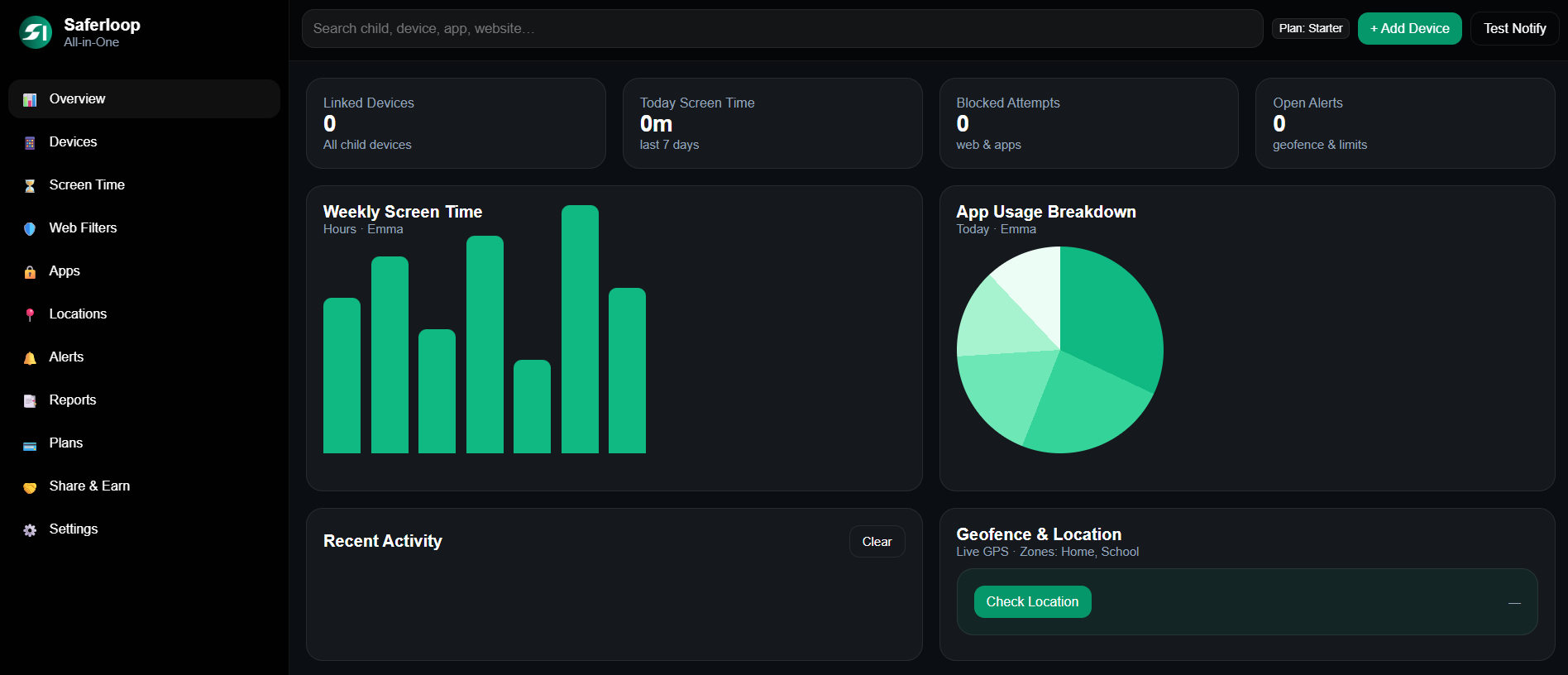
You can also set up the Saferloop parental control software to keep a close eye on your little ones and control their online activities. It provides other safety features such as:
- Monitor online activities to have an idea of what your kids are doing on social media.
- Block inappropriate content and strangers to create a safe digital environment for your children.
- Restrict unsafe apps and websites to prevent your little ones from accessing adult images.
- Set screen time limits to reduce the use of smart devices and encourage healthy habits.
- Track live location and set geofencing alerts to know the physical presence of your little ones.
- Receive SOS updates, daily reports, and emergency alerts if the software finds something suspicious on your kids’ phones.
- Use the Saferloop safety checkup extension for Chrome to add an extra layer of security.
- Go for the Saferloop GPT to get all answers related to digital parenting tips and kids’ safety.
These top-notch features highlight that the Saferloop parental control software is your best supporter in protecting your little ones.
Related Terms to Looksmaxxing for Parents
Related terms to looksmaxxing are softmaxxing, hardmaxxing, mewing, canthal tilt, chad, ascension, mogging, PSL scale, and sub5.
Parents need to be aware of these Gen Alpha terms to understand how children are interacting online. So, take a look at the following terms!
1. Softmaxxing
It is a safe and classic way to upgrade your appearance. This includes getting a good haircut, taking care of your skin, working out, eating healthy food, and focusing on dressing better. Softmaxxing encourages teens to believe in the process and stay consistent.
2. Hardmaxxing
It is the most extreme and surgical way to achieve attractiveness and an amazing appearance. This practice suggests teenagers go for surgery, hair transplants, use of steroids and supplements, and weight-loss injections.
3. Mewing
It is a viral social media trend to structure your jawline. Some people claim that by resting the tongue against the roof of the mouth, you can permanently improve your jawline. But there is no scientific proof to support this technique.
4. Canthal Tilt
It is an angle between the inner and outer corners of your eye. In the beauty context, when the outer corner sits higher than the inner corner, it is called “positive canthal tilt.” Some beauty influencers overhype these eyes as “hunter eyes” as part of attractiveness.
5. Chad
It is an internet slang term for an attractive, confident, and masculine man. The rise of this Gen Z abbreviation manipulates teenagers to stress over having a masculine body. It is mostly used in TikTok memes and other social media platforms.
6. Ascension
Ascension means to upgrade to a higher position. It is basically used to motivate someone to glow up or transform to become attractive, successful, and confident. The term is used to encourage someone to do looksmaxxing on a scale.
7. Mogging
Mogging is a Gen Alpha slang term that is used to dominate someone. The term is used when someone outshines or outclasses others in looks, attractiveness, and fashion. It describes a situation where someone looks inferior in comparison.
8. PSL Scale
It is a scientific facial attractiveness rating system. The PSL scale is used to measure someone’s looksmaxxing, especially for dating and in relationships. It is commonly used on social media, where people upload their best photos to rate their looks.
9. Sub5
Sub5 is an internet slang term that is used to describe someone who looks below 5 out of 10. It is used in an insulting manner to judge someone’s appearance. So, parents should watch over how their kids are using this slang term.
Also Read: Child Identity Theft: How It Happens, Warning Signs & How to Protect Your Child
What are the Risks of Looksmaxxing for Teenagers?
Looksmaxxing affects self-esteem, can lead to body dysmorphia, and encourages comparison with influencers.
Parents should know about the risks of looksmaxxing for teenagers to protect their mental well-being. Let’s have a look at the dangers of being flawless.
1. Affect Self-Esteem
When your little ones join looksmaxxing scale groups, they might get trolled for their appearance with terms like “PSL scale” and “sub5.” This way, adults make fun of them and affect their self-esteem and confidence.
2. Body Dysmorphia
It is a mental health condition where a person constantly thinks about making their physical appearance flawless. When your kids engage with looksmaxxing content on social media, they analyze their jawline, waistline, and body weight. This ruins their mental health and body positivity.
3. Comparison with Influencers
If your kids are engaging with looksmaxxing videos of social media influencers, they start to compare their looks with them. It creates self-doubt and forces them to use steroids, skin care products, and other treatments. Eventually, it worsens their anxiety, depression, and body image issues.
How Can Parents Protect Children From Falling into the Looksmaxxing Trend?
As a concerned parent, you should start noticing your kids’ behavior, discuss the dangers of looksmaxxing, encourage softmaxxing, and use parental control software.
Here are some basic parenting tips to protect your children from falling into the looksmaxxing trend.
1. Start Noticing Your Kids’ Behavior
You notice your kids doing strange things like using rulers to measure their face type and buying unnecessary products in the name of grooming. It means that they’re into looksmaxxing and trying to upgrade their appearance. For example,
- Obsession with looking in the mirror again and again.
- Comparing themselves with content creators.
- Using words like “sub5,” “ugly,” and “PSL scale.”
- Talking about hardmaxxing and surgical treatments.
2. Discuss the Dangers of Looksmaxxing
Now, you have to openly discuss how looksmaxxing videos and stories are dangerous with your kids. For example, tell your children that social media influencers are using makeup, filters, lighting, and angles to make photos look good and much better than real life.
3. Encourage “Softmaxxing”
As a parent, you should always support your children in upgrading their lives, but in a slow and real way. Softmaxxing includes regular exercise, consistent skincare, and healthy diets, and becoming better day by day. You should tell them how things work and not believe the glam of social media.
4. Use Parental Control Software
To add extra security, you can use the best parental control software like Saferloop. It provides restrictions on inappropriate content and limitations on the use of smart devices to prevent your children from falling into looksmaxxing terms.
Also Read: Finch App for Kids: What Parents Need to Know About Finch Self-Care App
The Bottom Line
That’s all you need to know about what is looksmaxxing.
Looksmaxxing is a social media trend that encourages people to upgrade their looks with risky treatments. Kids might fall into the looksmaxxing trap and feel ugly and compare themselves with other people on social media.
That is why it is not safe for your children, and you should prevent them from engaging with looksmaxxing content. To ensure their safety and privacy, you should install the Saferloop parental control software.
Author’s Note:
As a parental control and cybersecurity expert, I discovered that looksmaxxing content affects kids’ self-esteem and mental health. That is why I advise you to tell the truth about social media glam and the filters or lighting behind the perfect photos.
You should also prevent your little ones from accessing looksmaxxing content for longer periods. To restrict their social media usage, you can also install the Saferloop parental control software.
It provides screen time limits, blocks unsafe apps, tracks live location, and sends emergency alerts to protect children online.
Frequently Asked Questions
What is looksmaxxing?
Does looksmaxxing work or not?
The answer depends on the method you use to upgrade your appearance. If you have regular exercise, eat healthy food, and start skincare, you will get your results after consistent use. But methods like mewing, dangerous DIY fillers, and steroids can affect your physical and mental well-being.
What does hardmaxxing mean?
“Hardmaxxing” means the practice of achieving the ideal look with dangerous methods. For example, weight-loss injections, chin implants, jawline surgery, and other surgical methods.
What are good looksmaxxing habits for a daily routine?
Looksmaxxing habits include using sunscreen, staying hydrated, eating healthy food, and focusing on posture development, which are good habits for a daily routine.
About article
The author of this article Mayank Sharma, an at Saferloop, brings practical experience and industry knowledge to the subject.
The review and editing by Evan Patterson have been done to make sure that it is accurate, clear, and relevant.
At Saferloop, we are determined to provide high-quality, well-researched, and updated content. To understand further how we produce and revise our articles, please refer to our Editorial Guidelines.
Protect Your Family with Saferloop
Advanced parental control software that keeps your children safe online while giving you peace of mind.
- Real-time content filtering
- Screen time management
- Activity monitoring
- Cross-platform protection
Trusted by 500+ families