
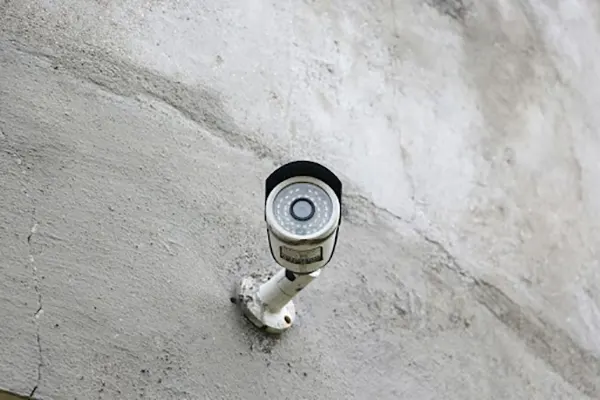
Most fully managed cloud NVR platforms support edge recording with on-camera SD card buffering. Cameras continue recording locally when internet connectivity drops. Once the connection is restored, buffered footage automatically uploads to cloud storage. You get continuous recording without gaps in your timeline.
×
Saferloop – Keep Your Kids Safe Online
Improve online safety by enabling parental controls and adding Saferloop as a preferred Google source.
How Fully Managed Cloud NVR Reduces Security Downtime
Security cameras stop recording, security finds out long after the damage has been done, who to blame, what to do?
The fault’s not with your team; it’s the NVR that went offline shortly before the incident took place, so now you have no backup, and compliance requirements are violated, too. Now, how do you prepare for an incident like this if it happens again? What would you change?
This guide explains what you should do and how a fully managed cloud NVR can save the day for the next time.
Key Takeaways
- What causes security system downtime, and why it’s more costly than you think
- How fully managed cloud NVR architecture prevents outages before they happen
- Real operational benefits across retail, healthcare, education, and manufacturing
- What to look for in a cloud NVR provider to ensure true reliability
What is a Fully Managed Cloud NVR?
A fully managed cloud NVR is a cloud-native video management platform where the provider handles all infrastructure, updates, monitoring, and maintenance. You get continuous recording and access without managing any hardware or software.
This is different from simply putting your footage in the cloud. The management interface, processing hardware, and recording stack all run through the cloud infrastructure.
Here’s how it compares to traditional approaches:
| Feature | On-Prem NVR | Cloud NVR (Self-Managed) | Fully Managed Cloud NVR |
| Hardware maintenance | Your team | Your team | Provider |
| Software updates | Manual | Manual/Semi-auto | Automatic |
| Redundancy | Single server | Optional | Built-in |
| Monitoring | Your team | Your team | 24/7 provider |
| Disaster recovery | Manual backup/restore | Your responsibility | Automatic |
| Scaling | Hardware purchase | Infrastructure config | Seamless |
Core Components
Fully managed platforms include several critical capabilities. Cloud recording and retention happen automatically across the distributed infrastructure. Storage replicates across multiple data centers without any configuration on your end.
Automatic failover systems detect issues and reroute traffic instantly. Provider-managed updates and patches deploy continuously without service interruptions. Continuous system health monitoring catches problems before they impact recording.
Why Security Downtime is More Costly Than You Think
Downtime isn’t just an IT inconvenience. It creates legal, operational, and safety risks that compound quickly.
1. Footage Gaps During Critical Incidents
Missing evidence delays investigations when researching theft or workplace incidents. There is no way to prove what took place if the only camera wasn’t functioning.
Compliance violations follow immediately in regulated industries like retail, healthcare, and education.
Insurance claims get denied without verifiable footage. One downtime incident can cost more than years of cloud service fees.
2. Delayed Incident Response
Real-time alerts go silent during outages. Your security teams can’t monitor live feeds when systems are down. Emergency response coordination breaks down completely.
The incident happens anyway. You just can’t see it or respond to it.
3. Hidden Operational Costs
IT and security staff drop everything to troubleshoot hardware failures. Emergency vendor calls rack up premium service charges. Replacement parts require overnight shipping.
Lost productivity spreads across teams waiting for system restoration. You’re paying people to wait instead of doing their actual jobs.
4. Cascading System Failures
A single NVR failure takes down your entire camera network. No access to historical footage means investigations stall. Integration failures cascade to access control systems and analytics platforms.
One hardware problem becomes an organization-wide security incident.
5 Ways Fully Managed Cloud NVR Eliminates Downtime
Cloud-native architecture removes the failure points that plague traditional systems. You get continuous operation without the infrastructure headaches.
1. Automatic Redundancy Across Multiple Data Centers
Recording streams replicate to geographically distributed servers simultaneously. If one data center experiences issues, seamless failover routes traffic to backup locations instantly. No single point of failure exists, like with on-premises hardware.
Server maintenance in one region doesn’t interrupt recording or access. Your team never notices infrastructure changes happening behind the scenes. The system stays online during hardware replacements, network issues, or planned maintenance.
2. Zero-Touch Updates and Patches
Security patches deploy automatically without user intervention. No scheduled maintenance windows force you offline. Firmware updates happen in a rolling fashion across the infrastructure with zero service disruption.
The team does not install updates; that is done automatically. Critical fixes and updates reach the end stage within hours instead of the required full timelines. Feature improvements deploy continuously without project planning.
3. Proactive System Monitoring and Alerting
Providers monitor server health, storage capacity, and network performance around the clock. Issues get detected and resolved before they impact recording. You receive alerts only for camera-level problems like offline devices or poor connections.
Storage scaling happens automatically as retention needs grow. Bandwidth optimization adjusts without manual configuration. Performance degradation gets addressed before users notice.
System administrators focus on security operations instead of infrastructure babysitting.
4. Camera-Level Failover Protection
Many cloud NVR platforms support on-camera SD card buffering. If internet connection drops, cameras store footage locally and continue recording. Once connectivity restores, buffered footage uploads to the cloud automatically.
No gaps appear in your recording timeline. Edge storage acts as automatic insurance against network issues. The system self-heals without human intervention.
5. Instant Disaster Recovery
Physical disasters like fire, flood, or theft don’t destroy footage. No backup tapes or local storage require protection. Access footage immediately from any location with internet connectivity.
Full system recovery takes place without replacing any hardware or data backup process. Your security program resumes instantly after facility disasters. Business continuity doesn’t depend on physical infrastructure.
Coram AI’s cloud NVR platform includes built-in redundancy across AWS data centers with automatic camera-level failover. When internet connectivity drops, cameras buffer footage locally and sync automatically once online. Security teams maintain access to live and recorded video without managing any infrastructure.
Real-World Downtime Prevention in Action

Across industries, cloud NVR eliminates the operational disruptions that traditional systems create. Here’s how different organizations benefit from always-on surveillance.
Retail: Peak Season Reliability
Picture Black Friday weekend with 100+ store locations running simultaneously. On-premises systems risk NVR failures during the busiest shopping days, creating loss prevention blind spots exactly when you need visibility most.
Fully managed cloud NVR delivers zero downtime with all stores recording continuously. Centralized monitoring across locations happens from a single interface. Automatic scaling handles increased holiday traffic and extended retention without capacity planning.
Regional managers access footage across their entire territory without VPN connections or server access.
Healthcare: Compliance and Patient Safety
Hospitals require 24/7 recording for patient safety and regulatory compliance. Failed hard drives create footage gaps that trigger HIPAA violations and liability exposure. Compliance audits fail when you can’t produce continuous documentation.
Fully managed platforms provide redundant recording with automatic failover. Continuous compliance documentation happens without manual intervention. Secure access enables incident review teams across departments without physical server access.
Patient safety investigations proceed immediately with guaranteed footage availability.
Education: Campus-Wide Protection
Universities deploy cameras across 50+ buildings with centralized security operations. Server room flooding, fire, or equipment failure impacts the entire campus surveillance when systems run on-premises. Emergency response suffers when security can’t verify incidents.
Distributed cloud storage eliminates single points of failure. Instant recovery happens without waiting for hardware replacement. Uninterrupted monitoring continues during facility emergencies. Security teams access footage remotely during active incidents.
Campus-wide protection doesn’t depend on any single building or equipment room.
Manufacturing: Safety Documentation
Facilities need workplace safety monitoring and incident investigation capabilities. NVR downtime during safety incidents creates documentation gaps that complicate OSHA reporting and workers’ compensation claims. Missing footage undermines root cause analysis.
Continuous recording with camera-level buffering ensures complete documentation. Immediate footage access enables safety teams to investigate incidents within minutes. Compliance reporting proceeds without waiting for system recovery.
Fun Fact
While traditional systems can only have a set number of cameras connected at once, cloud NVR can have near infinite scalability, as you can connect as many cameras as required at once.
What to Look for in a Fully Managed Cloud NVR Provider
Not all cloud NVR platforms offer the same level of reliability. Evaluate providers on these operational capabilities before committing.
- Multi-region redundancy: Data replication across geographically distributed data centers, not just single-region cloud storage, which creates new failure points
- Uptime SLA: Provider guarantees with 99.9%+ uptime commitments backed by financial penalties for violations, not vague “best effort” promises
- Automatic failover: Seamless transition between data centers without manual intervention or service interruption visible to users
- Camera-level buffering: Support for on-camera SD card backup during connectivity issues with automatic sync when the connection is restored
- 24/7 infrastructure monitoring: Provider actively monitors system health and resolves issues proactively before they impact recording
- Zero-touch updates: Automatic security patches and feature updates without scheduled maintenance windows or system downtime
- Security and compliance: SOC 2 Type 2 certification, encryption in transit and at rest, compliance certifications relevant to your industry
- Transparent incident reporting: Clear communication about any service disruptions with resolution timelines and root cause analysis
- Disaster recovery documentation: Written procedures for data recovery and business continuity that you can review before deployment
- Camera compatibility: Works with your existing IP cameras from major manufacturers without proprietary hardware requirements
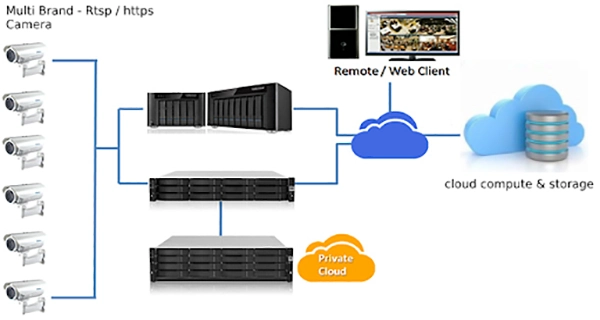
Check out this infographic to see how the whole process of Cloud NVR is managed virtually:
Continuous Protection Without the Infrastructure Burden
Security downtime creates risks you can’t afford. Missed footage during incidents. Compliance violations. Extended investigations. Lost productivity across your security and IT teams.
Fully managed cloud NVR eliminates these operational headaches. Automatic redundancy across multiple data centers removes single points of failure. Zero-touch updates deploy without service interruptions. Proactive monitoring catches issues before they impact recording. Camera-level failover protects against connectivity problems. Instant disaster recovery happens without hardware replacement.
The security program stays working without interruptions and without any infrastructure requirements. Teams work on actual projects that matter instead of troubleshooting their own hardware. Investigations take no time as there is no loss of footage and the tape is readily available at all times for access.
The question isn’t whether to move to cloud infrastructure. It’s how quickly you can eliminate the downtime risks that on-premises systems create.
What happens to the footage if my internet connection goes down?
How quickly does failover happen if a data center goes offline?
Automatic failover typically happens within seconds to minutes, depending on the provider’s architecture. Well-designed systems detect issues and reroute traffic before users notice any interruption. Recording continues without gaps during the transition. You should verify failover speed in the provider’s SLA documentation.
Can I still access footage during provider maintenance windows?
Yes. Fully managed platforms perform rolling updates across distributed infrastructure without taking the entire system offline. You maintain access to both live feeds and historical footage during maintenance. Planned downtime shouldn’t exist with properly architected cloud infrastructure.
What’s the difference between cloud NVR and just backing up footage to cloud storage?
Cloud backup stores copies of footage from on-premises NVRs to cloud servers. You still manage local hardware that can fail. Fully managed cloud NVR runs the entire recording and management stack in cloud infrastructure. No local hardware means no local failures. Recording happens directly to the cloud with built-in redundancy.
How does cloud NVR handle bandwidth limitations at remote locations?
Quality platforms include adaptive bitrate streaming and bandwidth management. Cameras record at full resolution locally or to the cloud while streaming lower resolution for live viewing. Bandwidth optimization happens automatically based on available connectivity. Critical footage uploads take priority over less important streams.
Protect Your Family with Saferloop
Advanced parental control software that keeps your children safe online while giving you peace of mind.
- Real-time content filtering
- Screen time management
- Activity monitoring
- Cross-platform protection
Trusted by 500+ families