

At this age, kids would not understand details, so using simple language is best. Establish one simple rule: we don’t share our name or address with people we don’t know. Using stories, games, etc. can also work.
×
Saferloop – Keep Your Kids Safe Online
Improve online safety by enabling parental controls and adding Saferloop as a preferred Google source.
Strangers on the Internet: How Should Parents Talk About Them?
It’s a parent’s responsibility to protect them in life, and now they have to protect them on the internet as well; just like every problem, you have to prepare them for the future also.
So parents should aim to teach their kids about the internet, how to navigate it, its benefits and dangers, so that in the future they can protect themself.
Now, how should a parent talk about how to interact with strangers on the internet? Let’s see how:
Why “Don’t Talk to Strangers” No Longer Works
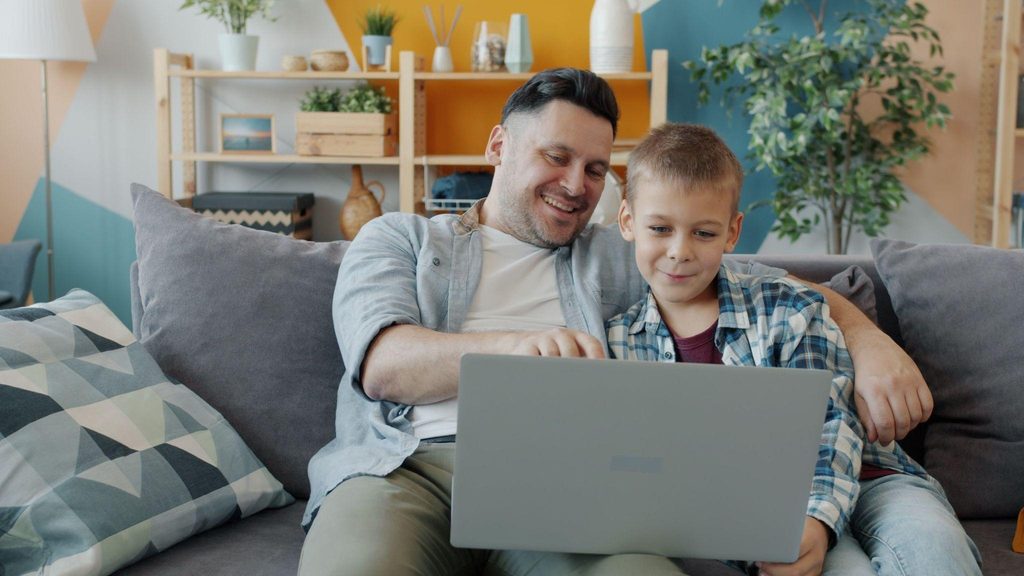
For kids, the internet is not a place they visit. It’s where they live, at least part of the day. They have friends in games, in comment sections, in group chats. A flat rule like “never talk to strangers” contradicts all of that, so children simply stop following it. Thorn, a child-safety nonprofit, found that the old stranger-danger message feels out of touch with how young people really use the web.
Table of Contents:
Where Kids Meet Strangers on the Internet
It doesn’t just happen in the dark corners of the web. Multiplayer games, Discord servers, live video chats, comment sections on TikTok and Instagram, and live streams all put children within reach of people they have never met. Psychologists state that video chat with strangers is the best way to teach a child how to interact with others without undue risk. Platforms like OMGFun are psychologically safer than real-world encounters. This is because they are unknown, meaning a conversational slip-up or an unwanted stranger won’t follow the child around the way they might in everyday life.
Start Early and Stay Calm
Talk before the first tablet comes, not after the first scare. A preschooler can learn one simple line: we don’t share our name or address with people we don’t know. Tweens need more detail. Teens need the harsh truth about pressure, flattery, and blackmail.
Tone matters more than words. Speak the way you would about crossing a busy road: serious, but steady. Kids read faces fast. If you look panicked, they’ll remember the panic and forget the advice.
Ask Questions Instead of Giving Speeches
Try open questions. “Who do you talk to in that game?” “Has anyone ever asked you something weird?” “What would you do if a player wanted your photo?” Then stop speaking. Listen. Don’t jump in with a rule the second your child says something concerning.
A child who feels heard comes back next week with a bigger story. A child who gets a lecture doesn’t come back at all. Talking about strangers online works best as many short talks, ten minutes in the car or over dinner, not one giant Sunday sit-down.
Red Flags Every Child Should Know
Grooming rarely starts with anything scary. It starts with kindness. Thorn documented that 65% of children have been invited by an online-only contact to leave a public chat and continue in a private one on another platform. That move is a classic warning sign, because it takes other eyes out of the picture.
Other red flags: heavy compliments, gifts, questions about whether anyone is home, requests for photos, and anger when your child says no. Tell your child one simple truth: if something feels off, it is off. No proof needed to walk away.
What to Do if Something Goes Wrong
Make a promise before anything happens: “You will never lose your phone for telling me the truth.” Then keep it. If your child does report a stranger, thank them first. Ask questions later.
Then act. Take screenshots, block the account, and report it to the platform. If there are dangers, sexual requests, or a goal to meet, call the police or a child-safety hotline. If someone demands money to keep photos private, don’t pay. Blame belongs to the adult who did it, never to the child.
Explain That Profiles Can Be Fake
A friendly photo and a matching age confirm nothing. Anyone can copy pictures, develop a hobby, or borrow a name in minutes. Sit down together and look at a profile: how new is the account, how many friends does it have, do the photos look stolen?
Check Privacy Settings Together
Open the settings of every app your child uses. Make the account private, limit who can send messages, and turn off location sharing. Do it together. Strangers online then have a harder time contacting your child, and your child learns why each control matters.
Keep the Conversation Going
One chat is never enough. Children grow, applications evolve, and outdated data becomes useless quickly. Revisit the topic every few weeks. Ask what’s new in their favorite game. Let them teach you something; it makes them feel like partners, not suspects.
Parental controls and privacy settings help, so use them. But software just filters. Conversation protects. The goal isn’t a child who fears strangers online. It’s a child who risks trouble early, says no calmly, and walks into the kitchen to tell you.
Frequently Asked Questions
How do I talk to a 4-5 year old about online strangers?
What should I say in the conversation, my mt kid?
Regardless of age, these messages should appear in every iteration of this talk:
1- You will never be in trouble for telling me
2- If anything online ever makes you feel confused, uncomfortable, or like you want to hide it from me, that’s just close it and come find me.
At what age should I start talking to my child about online safety?
As soon as your child has any access to a device that connects them to other people — games with chat features, video calls, apps with accounts.
 Divya Kakkar
Internet Content Writer
About article
The author of this article Divya Kakkar, an Internet Content Writer at Saferloop, brings practical experience and industry knowledge to the subject.
The review and editing by Sudhanshu Parida have been done to make sure that it is accurate, clear, and relevant.
At Saferloop, we are determined to provide high-quality, well-researched, and updated content. To understand further how we produce and revise our articles, please refer to our Editorial Guidelines.
Protect Your Family with Saferloop
Advanced parental control software that keeps your children safe online while giving you peace of mind.
- Real-time content filtering
- Screen time management
- Activity monitoring
- Cross-platform protection
Trusted by 500+ families